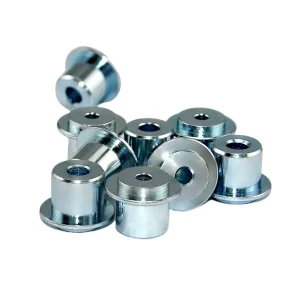
Explore our high-conductivity, precision-engineered custom components for energy infrastructure, EV charging, and low-voltage electrical systems.
Founded in September 1999 (originally operating as the Yueqing Feilong Instrument Factory), Zhejiang Jifeilong Instrument Technology Co., LTD. has established itself as an engineering authority located strategically in the Oujiang Port area of Wenzhou City. Over more than two decades, the company has transitioned from a localized toolroom to a globalized provider of micro-hardware engineering, electrical contacts, and custom connector components.
Our core capabilities focus on high-precision stamping, complex cold heading, automated mechanical grinding, and high-performance electro-deposition coatings. These critical manufacturing capabilities allow us to produce components that serve as the foundation of smart power grids, domestic appliance switches, robust automotive electronics, new energy charging piles, and dynamic industrial automation solutions.
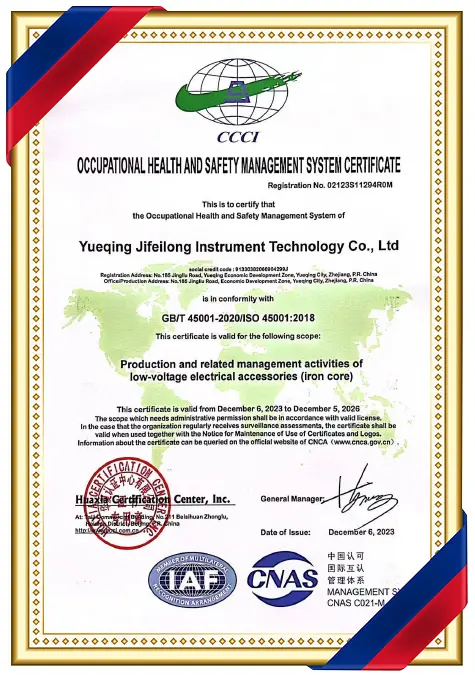
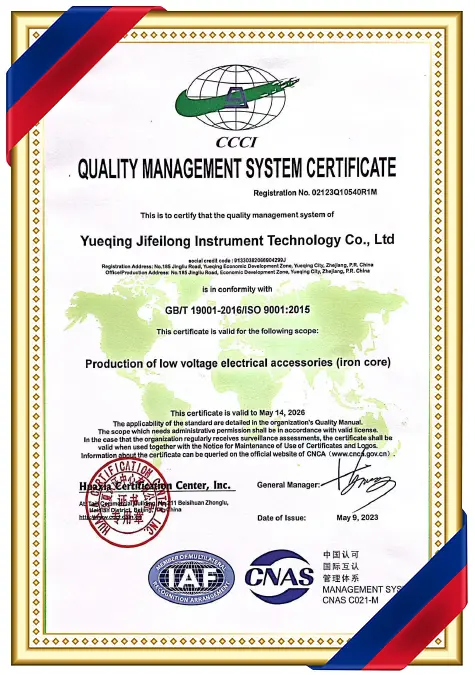
Operating with an ISO 9001 certified Quality Management System, Jifeilong implements rigorous validation checkpoints at each operational interface—from chemical assay checks of raw copper alloys to final automatic optical inspections (AOI) before shipment. Through sustained equipment innovation and automation investments, we have replaced manual assemblies with fully automated precision manufacturing corridors. Today, we are proud to serve over 100 leading industrial enterprises worldwide, proving ourselves as a trusted component supplier in highly demanding markets.
Zhejiang Jifeilong Instrument Technology is structured around a commitment to absolute material performance and reliability.
How our component-level technologies address macro electrical challenges in modern systems.
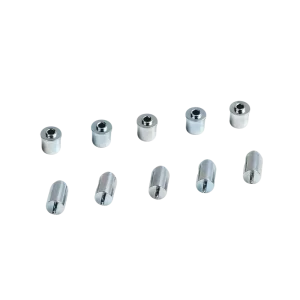
Miniature Circuit Breakers (MCBs) and Molded Case Circuit Breakers (MCCBs) form the frontline of circuit protection. Inside, custom structural rivets and precision shafts maintain mechanical alignment. Over tens of thousands of cycles, these components resist shear stresses, preventing contact misalignment and stabilizing constriction resistance during short-circuit trips.
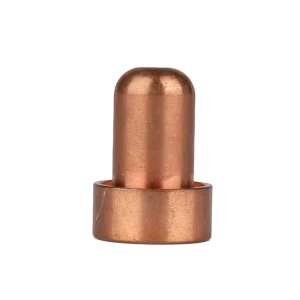
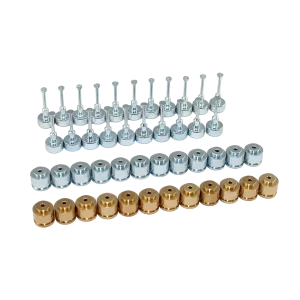
New energy vehicle charging piles operate under heavy electrical and thermal loads, often handling 400A+ of continuous direct current. Our high-adaptability copper cylindrical head parts minimize voltage drops. Using C11000 copper allows our parts to maintain exceptional thermal dissipation profiles, ensuring safe power transfer during rapid charging cycles.
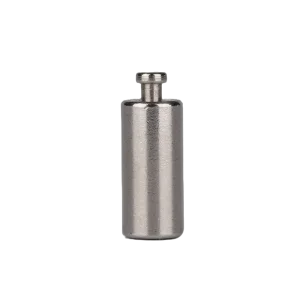
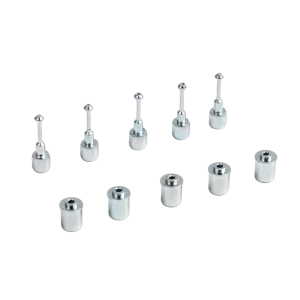
Solenoid valve armatures require high magnetic permeability and wear resistance. Our custom valve core and iron core accessories are machined to micrometer tolerances to avoid physical friction and lag. High-grade surface treatments resist corrosion when exposed to aggressive industrial fluids and challenging environment conditions.
In high-power industrial connection systems, engineering is defined by Holm’s contact resistance theory. When two metallic conductors interface, contact only occurs at microscopic peaks (known as asperities or 'a-spots'). Under load, these contact points carry the entire electrical current, leading to high electrical stress. For OEM electrical connectors, selecting materials with high electrical conductivity and physical durability is vital.
"The lifetime of an electrical connection is decided at the manufacturing level. Inconsistent material selection, poor surface finish, or minor dimensional errors can lead to increased contact resistance, thermal runaway, and system failures."
For high-current charging pins and low-voltage breaker rivets, material selection must match the mechanical and thermal stresses of the system. We prioritize three primary material classes:
Copper alloys are naturally prone to oxidation and environmental wear. To protect against this, our connector components receive custom plating stack-ups. Depending on the application, we apply:
Circuit breakers experience significant physical stress during trip events. Under fault conditions, electromagnetic forces can deform internal components. Our molded case circuit breaker rivets and pins are manufactured using precise cold-heading techniques. This process hardens the metal grain structures, giving the components high shear strength to ensure the breaker housing remains stable during high-stress trips.
Custom-manufactured components designed for low-voltage, medium-voltage, solenoid valve, and green energy applications.
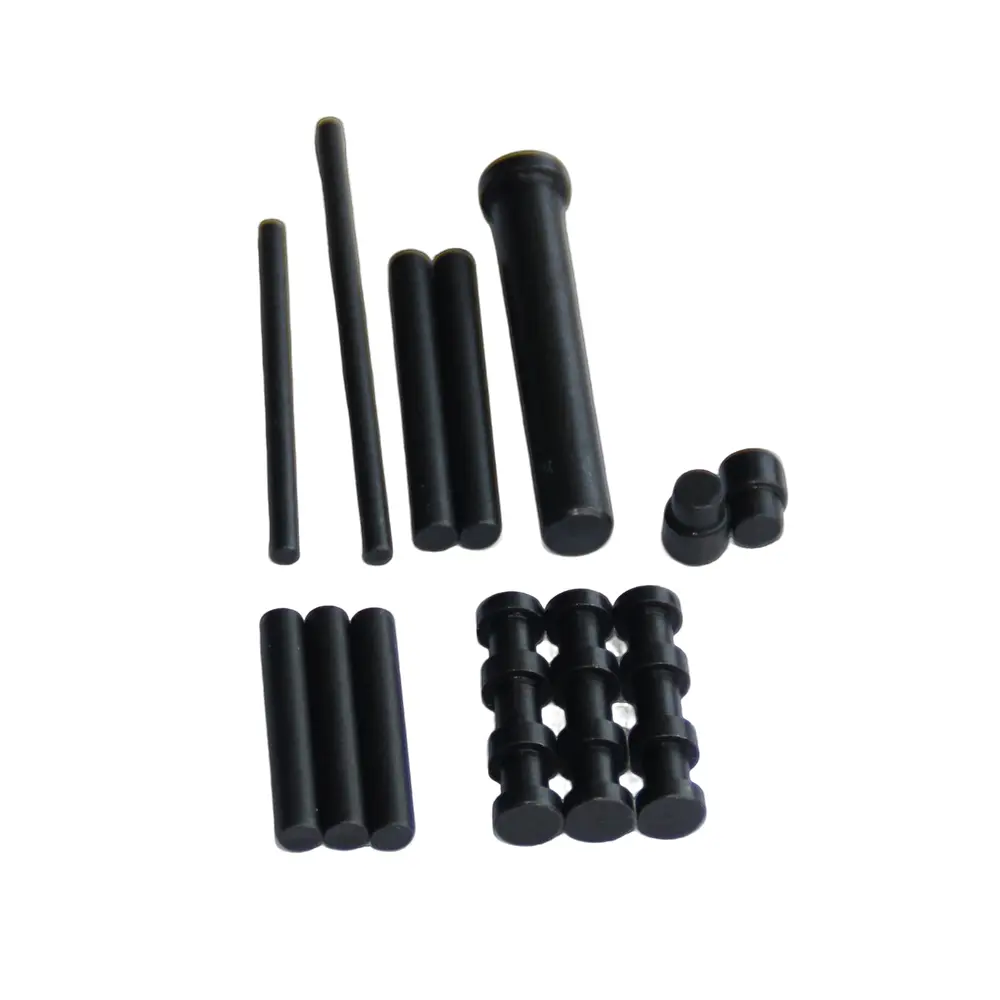
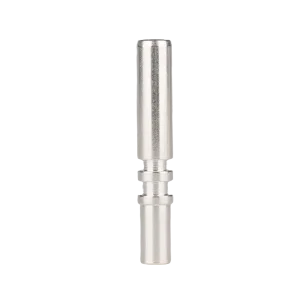
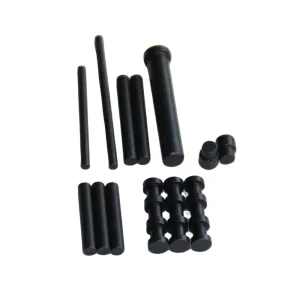
High-shear pins machined to tight tolerances. Designed to maintain the structural alignment of MCCB internal mechanics during high-fault current trips.
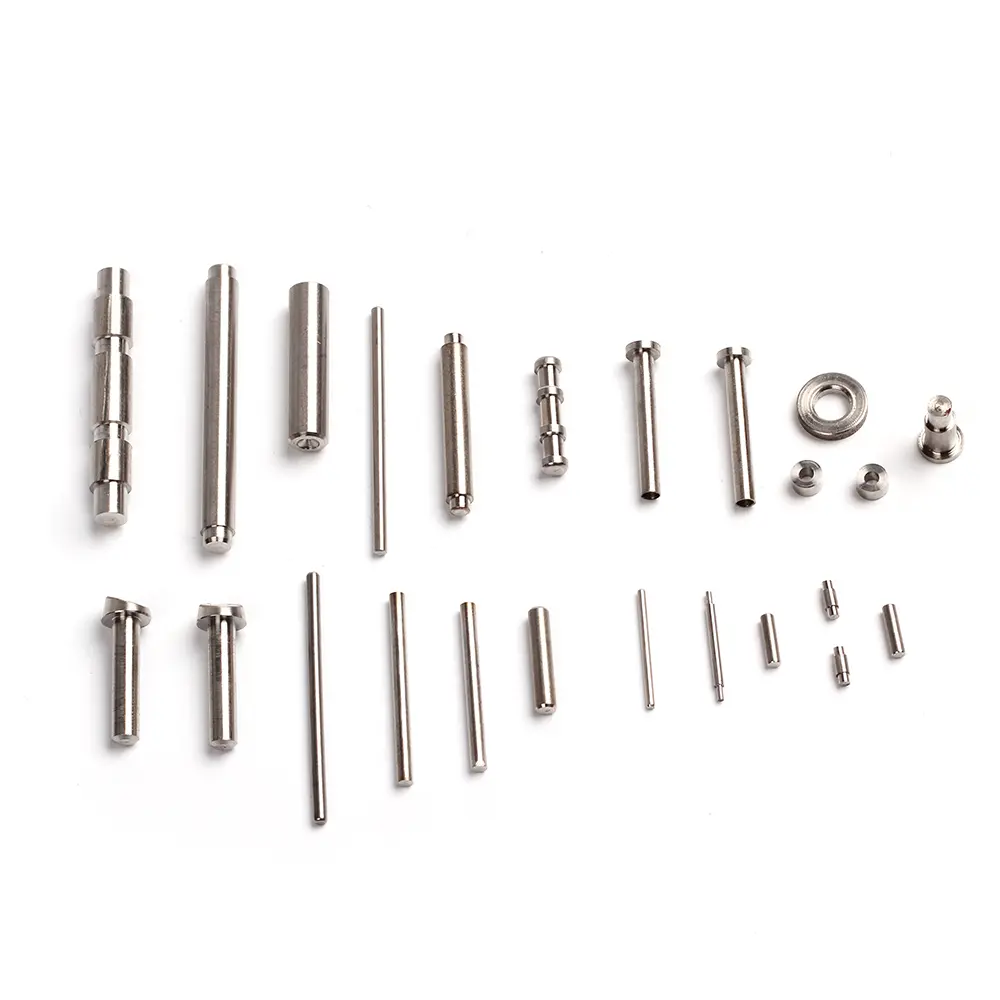
Lightweight, deformation-resistant blind rivets engineered for quick assembly of non-conductive mechanical supports.
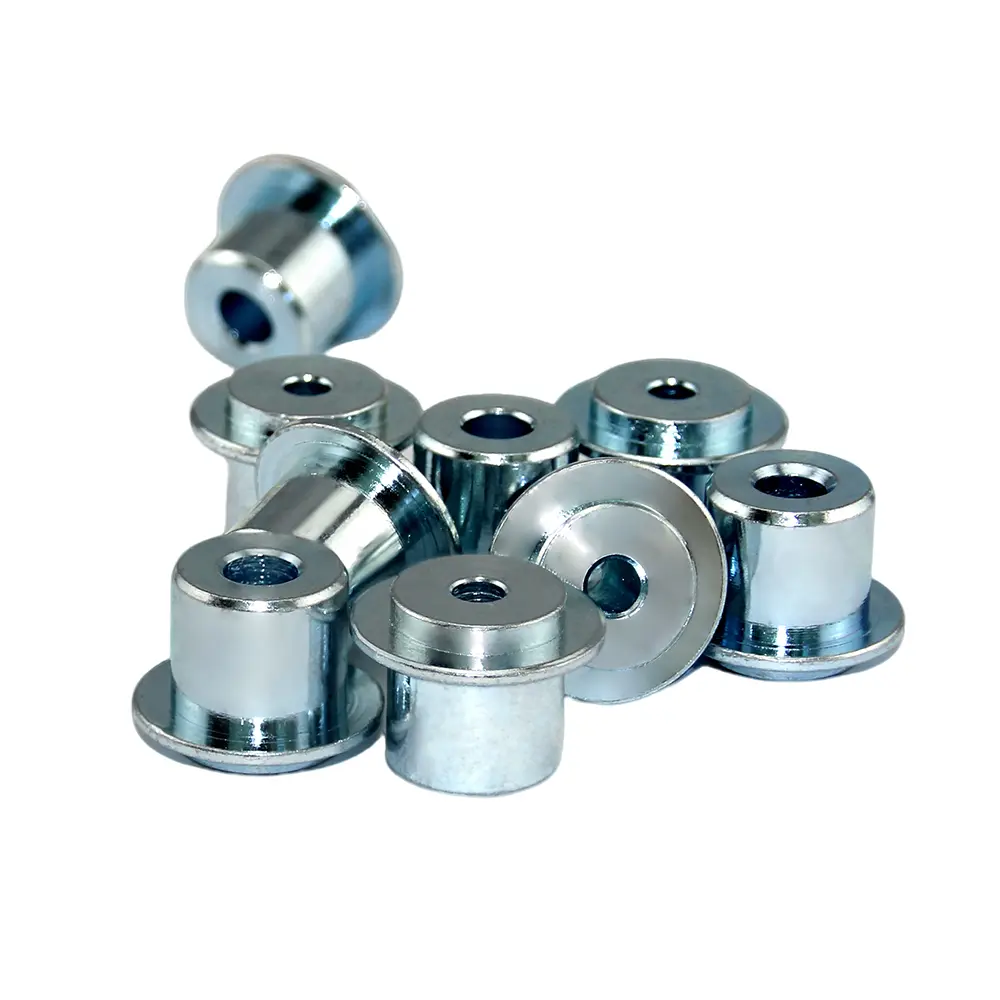
In the field of power equipment and low-voltage electrical appliances, every tiny component is crucial to the safety, stability, and durability of the entire system. As the core of hardware components, rivets play an irreplaceable role in the structural fixation, conductive connection, and safety protection of molded case circuit breakers.
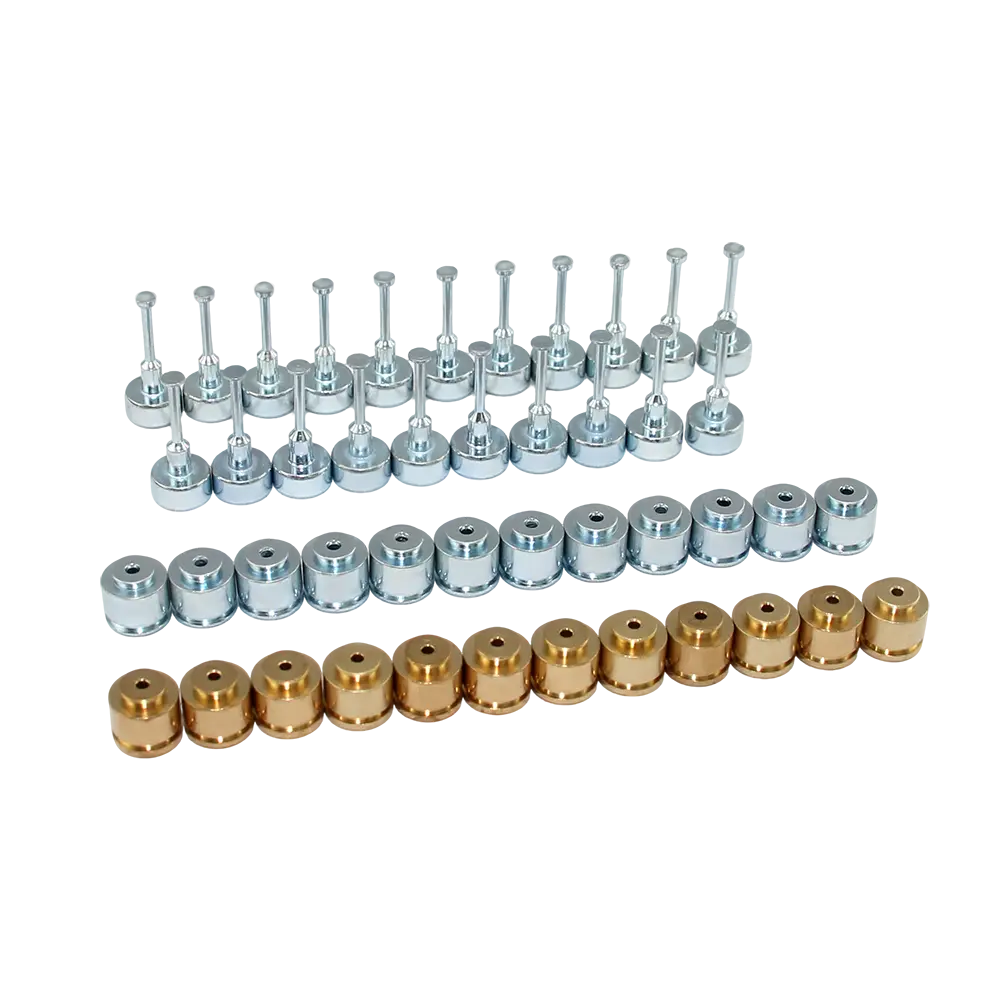
Solid, high-toughness steel and copper rivets designed for assembly stability. Engineered to fit standard automation assembly systems.
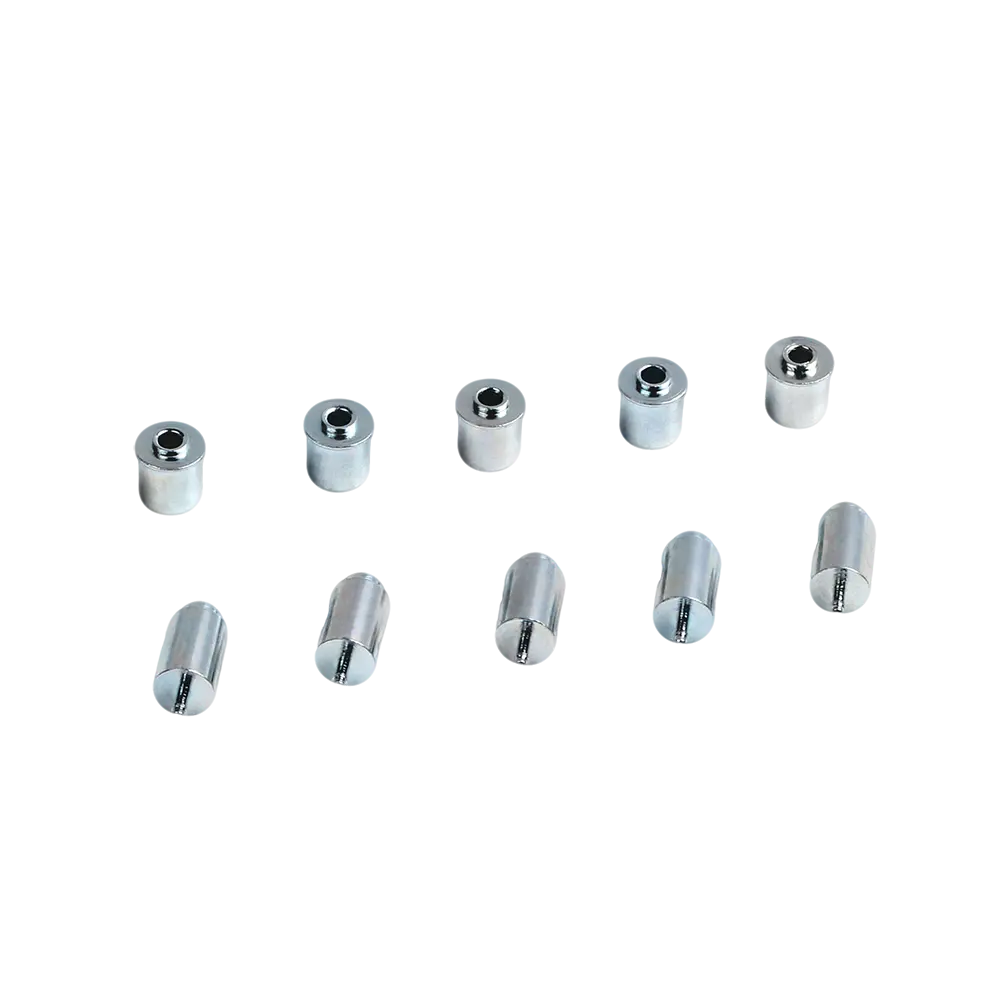
Premium structural rivets manufactured to precise tolerances. Tested for consistent deformation under automated rivet tools.
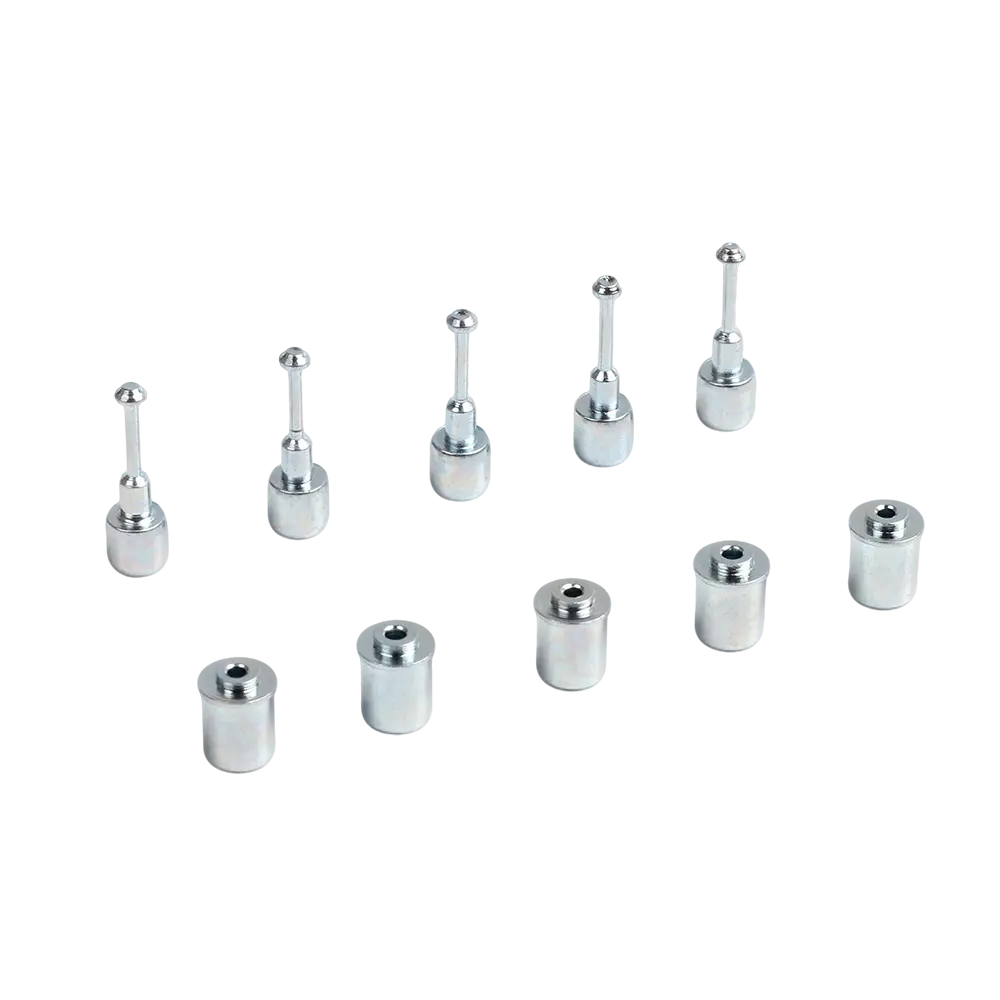
Reliable fasteners designed to maintain electrical properties and mechanical alignment in high-vibration systems.
Developing robust, compliant components for global infrastructure networks.
Modern electrical grids operate under strict regional safety guidelines. Whether deploying EV fast chargers in North America (conforming to UL standards) or power distribution cabinets in Europe (under IEC directives), connectors must meet rigid criteria. Zhejiang Jifeilong Instrument Technology supports clients by offering certified raw materials, detailed inspection reports, and full production traceability.
Our core capabilities serve five key industry sectors:
Comprehensive engineering services, rigorous quality control, and direct factory supply chains.
We enforce strict QC protocols at every step of manufacturing—from raw material inspection and mechanical testing to final dimensional checks. All processes strictly follow ISO 9001 quality management standards.
Our sales and support teams are available 24/7 for technical consults and quotes. Standard orders are typically processed and shipped within 3 to 5 business days, keeping your supply chain running smoothly.
As a direct manufacturer with a fully automated production facility, we optimize our supply chain. By cutting out intermediaries, we improve communication, lower costs, and speed up lead times.
Our engineering team designs custom solutions to meet your precise requirements. We also offer free samples, allowing you to test and verify the components before moving to volume production.
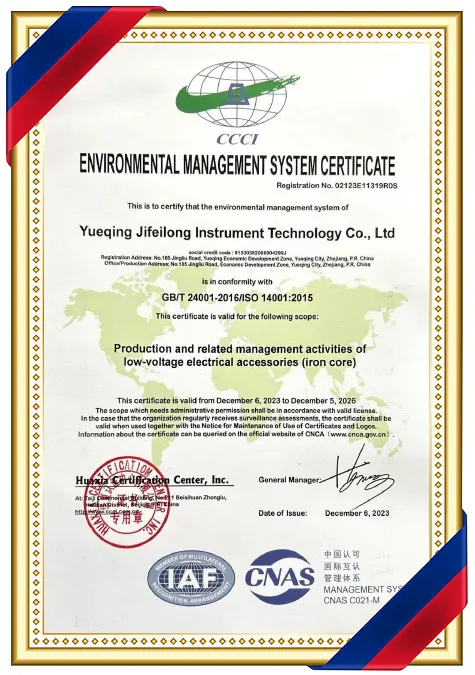
Our manufacturing and quality systems are audited and certified to meet international industrial standards.
As industries shift toward electrification and smart grid technologies, the demands on connection systems are evolving. Zhejiang Jifeilong Instrument Technology is developing new solutions to meet these future requirements:
In response to tightening global environmental regulations (such as RoHS and REACH updates), we are expanding our manufacturing with lead-free brass alloys. These materials maintain the machinability of standard brass while ensuring long-term environmental compliance.
We are researching the integration of temperature-sensing pathways directly into high-power connector contacts. This technology will allow real-time monitoring of contact points in EV charging systems, signaling thermal issues before a failure occurs.
As electronics shrink in size, we are upgrading our facilities to support the micro-cold-heading of miniature contact rivets down to sub-millimeter diameters. This supports the production of smaller, more compact circuit breakers and controllers.
Technical answers to common questions about component materials, production tolerances, and custom ordering.
C11000 copper features an extremely high electrical conductivity rating (typically 101% IACS). High conductivity is essential for handling the high currents of EV charging piles because it minimizes resistance. Lower resistance reduces heat generation at the contact point, preventing thermal damage and improving system safety during fast charging.
Cold-heading shapes metal at room temperature, which compresses and aligns the grain structure of the material. This work-hardening process improves the shear strength and fatigue resistance of the rivets. As a result, they can withstand the mechanical shocks and forces of circuit breaker trips without breaking or loosening.
We provide standard plating finishes, including nickel, tin, silver, and gold. For industrial applications, we typically apply a nickel barrier layer first to prevent copper migration, followed by an outer tin or silver layer to protect against oxidation and maintain low contact resistance over time.
We perform quality checks at multiple stages. This includes checking material composition with spectrometers, measuring critical dimensions, testing hardness, and performing salt spray testing for corrosion resistance. We also run final checks using automatic optical sorting machines to verify tolerances before shipping.
To request samples, you can submit your technical drawings (in 2D or 3D formats like STEP, DWG, or PDF) along with your material and plating specifications. Our engineering team will review the design for manufacturability (DFM) and produce prototypes for your testing and evaluation.
Yes. All of our raw materials are sourced from certified suppliers, and we provide material certification reports to ensure compliance with RoHS and REACH standards. We can also provide custom compliance documentation for lead-free or low-halogen requirements if specified for your application.
Explore our additional hardware solutions, including specialized circuit breaker rivets and fluid valve components.
 Jifeilong