Why Choose Metal Precision Parts for Your Business?

Time:2026-10-29 Author:Henry
0%

A production line can stop because a small component does not fit. A shaft runs rough. A bracket needs rework. These details make Metal Precision Parts more than a purchasing decision: they affect assembly, reliability, and delivery schedules. For businesses in automotive, aerospace, medical equipment, and industrial machinery, the right part must match the drawing and perform consistently in real operating conditions.

The stakes are broader than one machining order. Deloitte and The Manufacturing Institute’s 2024 workforce study projects that U.S. manufacturing may need 3.8 million workers by 2033, with 1.9 million positions potentially unfilled. That forecast makes efficient production and dependable supply relationships especially relevant. The World Economic Forum’s Global Lighthouse Network reports also examine how advanced manufacturing practices support improvements in productivity and quality. Neither report proves that a particular component will deliver those results. Part design, material selection, inspection, and supplier capability still matter.

A useful evaluation starts with measurable requirements: dimensional tolerances, material grade, surface finish, expected volume, and inspection records. Then compare machining capability, repeatability, lead time, and total cost—not just the quoted unit price. A stainless-steel fitting may resist corrosion, while an aluminum housing can reduce weight; neither choice is automatically right. Trade-offs remain. The sections that follow explore why businesses choose precision-made metal components, what to check when selecting a supplier, and how to judge value beyond the first invoice. Slightly inconvenient, perhaps, but worth checking before production scales.
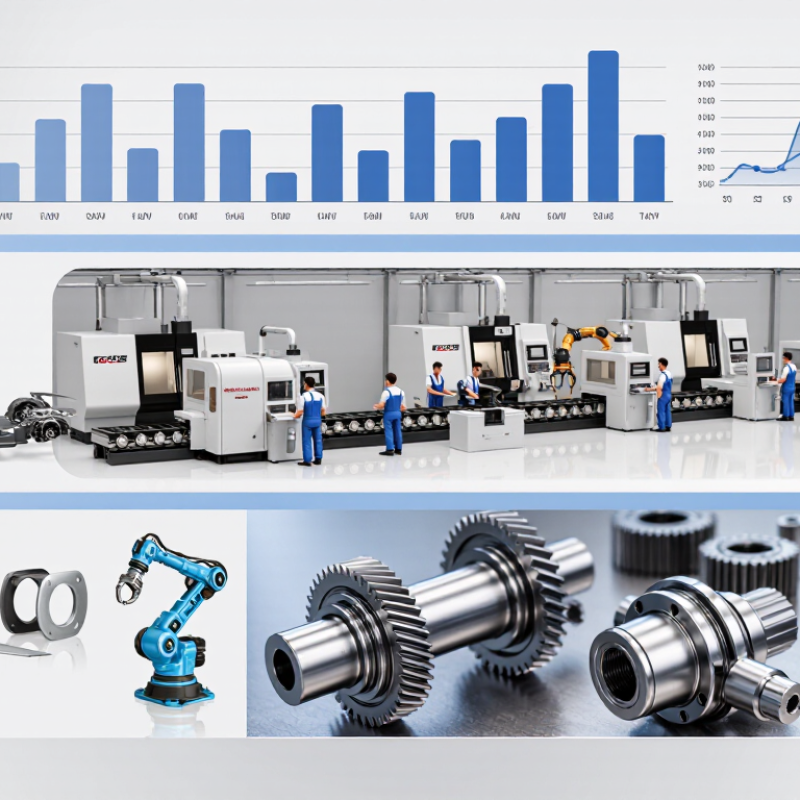
Why Choose Metal Precision Parts for Your Business?

What Metal Precision Parts Are and How They Are Manufactured

Why Choose Metal Precision Parts for Your Business?

Metal precision parts are components manufactured to meet specific dimensions, shapes, and tolerances. They may be small shafts, brackets, housings, or threaded fittings. Their accuracy helps parts fit together reliably in machines and assemblies.

Manufacturing begins with a drawing or digital model that defines key measurements and material requirements. Metals such as aluminum, steel, and brass behave differently under cutting and heat, so material choice affects both design and production. CNC milling and turning remove material with controlled tools. Sheet-metal parts may instead be cut, bent, and formed. The right process depends on the part’s geometry, quantity, and required finish. That sounds simple.

After machining, technicians inspect critical dimensions using gauges, micrometers, or coordinate-measuring equipment. They may also check edges, threads, and surface finish. A coating or polishing step can improve appearance or help protect the part, but it may slightly change dimensions. Small differences add up. Tolerances that are tighter than necessary can increase cost and production time, while loose tolerances may cause poor fit. A first sample often reveals assumptions the drawing missed; that is useful, even if it means revising the design before full production.

Which Metals and Processes Suit Different Business Applications

Why Choose Metal Precision Parts for Your Business?
Which Metals and Processes Suit Different Business Applications

Metal selection should follow the part’s working conditions, not just its purchase price. Aluminum keeps housings and brackets light and is relatively easy to machine. Stainless steel suits wet or frequently cleaned environments, though its grade matters. Carbon steel can handle demanding loads at a lower cost, but exposed surfaces may need protection. Brass works well for fittings and electrical contacts. Titanium is useful when low weight and strength are critical, but machining it can add cost and time. Small details matter. Check loads, temperature, corrosion, and required finish before choosing.

Process choice shapes both accuracy and production cost. CNC milling and turning suit complex parts or small batches with closely controlled dimensions. Stamping can make thin, repeated components efficiently at higher volumes, while laser cutting is practical for sheet-metal profiles. Bending forms those profiles, but springback can affect the final angle. Heat treatment may improve strength, yet it can also change dimensions, so inspect parts afterward. A common planning mistake is treating a drawing tolerance as effortless to achieve. There is no perfect material chart; real chips, burrs, and inspection results can challenge an early estimate. A sample run can reveal issues before full production.

Why Choose Metal Precision Parts for Your Business? — Which Metals and Processes Suit Different Business Applications

Metal Useful Characteristics Common Precision Processes Typical Business Applications Selection Considerations
Aluminum alloys Low density, good machinability, and useful thermal conductivity; many grades can be anodized. CNC milling and turning, die casting, sheet-metal forming, anodizing Equipment housings, brackets, heat sinks, lightweight vehicle and aerospace components Choose a suitable alloy and temper for the required strength. Check wear, fatigue, and operating-temperature requirements.
Stainless steel Corrosion resistance varies by grade; generally offers good strength and durability. CNC machining, laser cutting, stamping, sheet-metal forming, welding Food-processing equipment, medical-device components, fluid-handling parts, outdoor enclosures Match the grade to the environment, especially exposure to chlorides, chemicals, and cleaning agents. Some grades are harder to machine than aluminum.
Carbon steel Available across a wide range of strength and hardness levels; often economical and readily formed or machined. CNC machining, stamping, forging, laser cutting, welding, heat treatment Machine components, brackets, shafts, structural hardware, general industrial parts Unprotected carbon steel can rust. Consider coatings, plating, or other corrosion-control measures where needed.
Copper Very high electrical and thermal conductivity; ductile and generally corrosion-resistant in many environments. CNC machining, stamping, bending, laser cutting, brazing Electrical contacts, busbars, terminals, heat-transfer components Check the conductivity and strength needed for the application. Copper is relatively soft and can be prone to surface damage.
Brass Good machinability, electrical conductivity, and resistance to corrosion in many common settings. CNC turning and milling, stamping, forming, investment casting Fittings, valves, connectors, decorative hardware, precision turned parts Verify alloy composition and applicable regulations for potable-water or other controlled uses.
Titanium alloys High strength relative to weight and good corrosion resistance; some grades are biocompatible. CNC machining, forging, laser cutting, additive manufacturing Aerospace components, chemical-processing equipment, selected medical-device parts Material and machining costs are usually higher than for common steels or aluminum. Confirm grade, certification, and application-specific requirements.
Tool steel Designed for hardness and wear resistance; properties depend on grade and heat treatment. CNC machining, grinding, wire EDM, heat treatment Dies, molds, punches, cutting tools, wear-resistant machine components Heat treatment can affect dimensions, so tolerances and finishing operations should be planned together.

Note: Suitability depends on the specific alloy, part geometry, tolerance, operating environment, production volume, and applicable industry requirements. Confirm material properties against the selected grade’s technical data.

How Precision Parts Improve Product Performance and Reliability

Metal precision parts improve performance by keeping critical dimensions consistent across assemblies. A shaft that fits its bearing correctly can rotate smoothly, with less friction and unwanted vibration. Small errors matter. Even a slight mismatch between a mounting hole and fastener can add stress during repeated operation.

Material choice, machining method, and inspection all affect the result. For example, a stainless steel component may resist moisture, while a hardened steel pin can better withstand repeated contact. These choices depend on the working environment, not just a drawing. Surface finish matters too: rough contact areas may wear faster or hold debris. Careful measurement with gauges or coordinate inspection helps confirm that parts meet specified tolerances. Reliable records also make it easier to trace variation between production runs.

Tighter tolerances are not automatically better. They can increase machining time without improving a product’s actual function. Teams should identify which dimensions affect alignment, sealing, or load transfer, then focus inspection there. That takes judgment. A prototype may fit perfectly on a clean bench yet behave differently after heat, vibration, or long use. Testing parts under realistic conditions can reveal those gaps before they become recurring maintenance problems.

How Metal Precision Parts Affect Costs, Quality, and Production

Metal precision parts affect more than the purchase price. Accurate dimensions help components fit without hand filing, shimming, or repeated assembly checks. That can reduce rework and keep production moving. For example, a machined housing that meets its bore tolerance may prevent a bearing from binding during assembly. But tighter tolerances often require slower cutting, extra inspection, and more expensive tooling. Precision is valuable when the function needs it, not just because a drawing looks impressive.

The 2024 Smart Manufacturing Survey reported that 86% of manufacturing executives viewed smart manufacturing as a key driver of competitiveness over the next five years. That points to the value of process data: measurement records can reveal tool wear before parts drift out of tolerance. It adds up. Still, a low scrap rate is not automatic; poor fixturing or inconsistent material can undo careful machining. Buyers should compare total cost per usable part, including inspection, lead time, and rejected pieces—not unit price alone. A small trial batch can expose those trade-offs. It may also reveal that the original tolerance was unnecessarily tight. That is worth questioning.

What to Consider When Choosing a Precision Parts Supplier

Choosing a precision-parts supplier starts with the part’s actual job, not the lowest quote. Share current drawings, revision levels, material grade, critical dimensions, and surface-finish requirements. A 0.02 mm tolerance on a bearing seat matters differently from the same tolerance on a nonfunctional edge. Be specific. Ask whether the supplier can hold those tolerances across the full production run, not just on one sample.

Review how quality is verified. Ask for inspection plans, measurement-equipment details, calibration records, and sample reports tied to your drawing revision. For regulated or safety-critical applications, confirm material traceability and required documentation before ordering. A supplier should explain what happens when a dimension falls outside the specified range. Clear corrective-action steps matter. If answers rely on vague assurances, pause and request evidence.

Production capability deserves equal attention. Discuss machine types, batch sizes, secondary operations, packaging, lead times, and capacity during your busiest months. Compare total cost, including tooling, setup, inspection, and freight, rather than unit price alone. Request a first-article inspection or pilot batch when the design is new. It may add time. Still, that step can reveal burrs, fit issues, or finish differences before they affect assembly. Communication is another test: note how quickly questions are answered and whether changes are recorded clearly. Even a thorough review can miss a risk, so keep requirements and approvals visible throughout production.

Why Choose Metal Precision Parts?

Compare the typical densities of common precision-part metals when evaluating weight, material choice, and supplier capabilities.

Aluminum 6061 and titanium Ti-6Al-4V are substantially lighter than the listed steels and brass. Density is only one selection factor; also confirm the required strength, corrosion resistance, tolerances, finish, lead time, and quality controls with your supplier. Values shown are typical nominal densities and may vary by grade and specification.

FAQS

What are metal precision parts?

They are metal components made to specific dimensions and tolerances. Examples include shafts, brackets, housings, and threaded fittings.

How are metal precision parts manufactured?

Production starts with a drawing or digital model. CNC milling and turning remove material, while sheet metal may be cut and bent. The process depends on geometry and quantity.

How do manufacturers check part accuracy?

Technicians use gauges, micrometers, or coordinate-measuring equipment. They may inspect dimensions, threads, edges, and surface finish. Small differences matter.

How does material choice affect a part?

Aluminum, steel, and brass respond differently to cutting and heat. Stainless steel may suit moist environments, while hardened steel can handle repeated contact.

Can precise parts improve machine performance?

Yes. A correctly fitted shaft can rotate smoothly in its bearing, reducing friction and vibration. A mismatched mounting hole may add stress over time.

Are tighter tolerances always better?

No. Tighter tolerances can increase machining time, inspection, and tooling costs. Specify them where alignment, sealing, or load transfer depends on accuracy.

What can surface finishing change?

Polishing or coating can improve appearance or protection. It may also slightly alter dimensions, so finished parts still need suitable checks.

How can buyers compare production costs?

Consider inspection, lead time, and rejected parts, not just unit price. A small trial batch can reveal fit problems or unnecessary tolerances. It might not answer everything.

Conclusion

Metal Precision Parts are components manufactured to exact dimensions using processes such as CNC machining, turning, milling, stamping, or grinding. The right choice of metal and manufacturing method depends on an application’s requirements, including strength, weight, corrosion resistance, operating conditions, and production volume. By matching materials and processes to these needs, businesses can create parts that fit consistently and perform as intended.

Well-made precision parts can improve product reliability, reduce wear, and help equipment operate smoothly. Their accuracy may also limit assembly issues, material waste, and rework, supporting better quality and more predictable production costs. When selecting a supplier, consider technical capabilities, material knowledge, inspection procedures, communication, lead times, and the ability to meet required specifications consistently. Evaluating these factors helps businesses choose a practical solution that balances performance, quality, and cost over the product’s lifecycle.


Henry

Henry

Henry is a dedicated marketing professional with a profound expertise in the company's offerings. With years of experience in the industry, he possesses an impressive understanding of the market dynamics and consumer behaviors that drive success. Henry is committed to sharing his insights through......