China Top Metal Spinning Mandrel Manufacturers?

Time:2026-11-05 Author:Ethan
0%

China’s metal spinning industry serves workshops producing lighting reflectors, cookware, ventilation parts, and custom-shaped components. Choosing a supplier is not just a price comparison. A Metal Spinning Mandrel must match the required profile, material, production volume, and machine setup. Small details matter: surface finish, concentricity, material choice, and resistance to repeated forming. A slight mismatch can affect the finished part. It can also slow production.

This guide explains how to assess China-based mandrel manufacturers and what to ask before requesting a quotation. Look for clear engineering drawings, documented inspection methods, realistic lead times, and relevant experience with your part geometry. Ask about machining processes, dimensional checks, wear, revisions, and replacement tooling. Request project examples or sample measurements where available. Practical evidence helps. A polished website is not proof of consistent quality. Neither is the lowest quote. Confirm tolerances, finishing requirements, and acceptance criteria with your engineering team, then record them in writing. Still, supplier claims can be difficult to compare, and a sample may not reveal long-term performance. That deserves attention. The aim is to identify manufacturers who communicate precisely, build to an agreed specification, and provide dependable support after delivery—not to label companies “top” without transparent criteria.
China Top Metal Spinning Mandrel Manufacturers?

Metal Spinning Mandrels: Purpose, Types, and Main Components

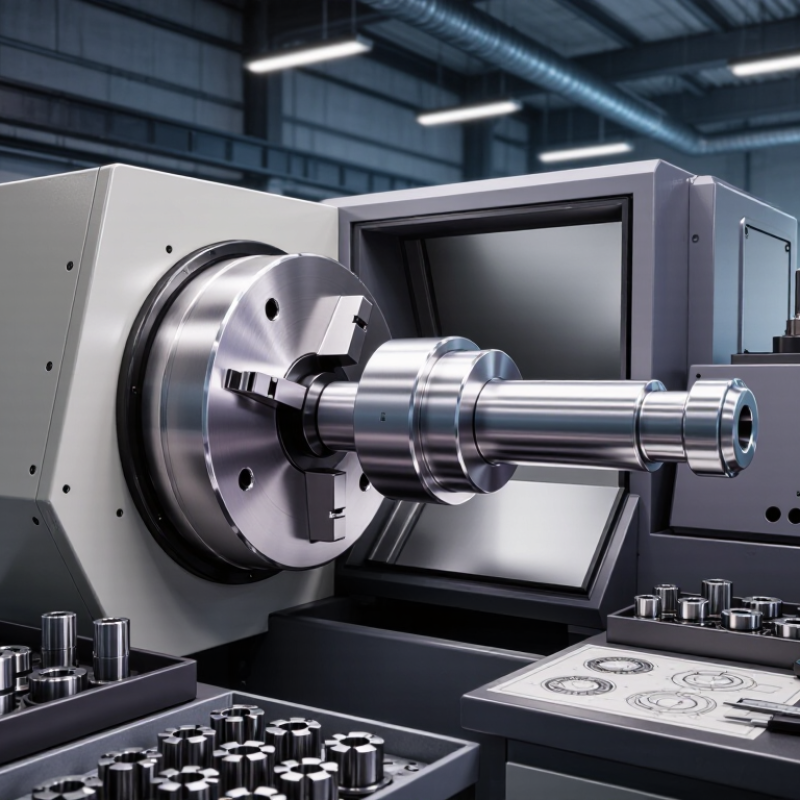
A metal spinning mandrel supports the workpiece while rollers press a rotating blank into shape. Its profile determines the part’s inner surface, diameter, and forming path. Common options include solid mandrels for simple shapes and segmented mandrels for parts that are difficult to remove. Some jobs use replaceable sections. Useful, but not always necessary.

The main components are the forming nose, body or shank, and mounting interface. The nose needs a smooth, accurate surface; small defects can leave marks on thin aluminum or stainless-steel parts. The shank and mount must resist vibration and forming loads. Material choice depends on production volume, workpiece alloy, and required finish. There is no universal specification. The World Steel Association reported 1,892.2 million tonnes of global crude steel production in 2023, while the USGS estimated global primary aluminum production at about 70 million tonnes that year. These figures describe major workpiece materials, not mandrel demand. That distinction matters. When comparing manufacturers in China, ask for dimensional tolerances, material and heat-treatment details, runout checks, and sample-part validation. A polished drawing can still hide a poor fit. Test the setup under real forming conditions.

How Mandrels Support the Metal Spinning Process

In metal spinning, the mandrel defines the workpiece’s inner shape while supporting the blank against roller pressure. As the metal rotates, the roller gradually pushes it over the tool’s surface. A well-matched profile helps control dimensions and reduce wrinkles, uneven walls, and chatter. The spindle, mandrel, and blank must run true. Even a small alignment error can leave visible waviness around the rim. It happens.

Mandrel choice depends on the part’s shape, material, and production volume. Steel tooling can withstand repeated runs; softer or replaceable tooling may suit prototypes. Surface finish matters too: a rough mandrel can mark the inside of a thin shell. Fortune Business Insights’ 2024 Metal Forming Market report estimated the global market at USD 190.91 billion in 2023. That broad market figure is not specific to metal spinning, but it reflects the scale of forming work where repeatable tooling matters. Still, a precise mandrel cannot correct poor feed control or an unsuitable blank.

Tips: Check mandrel runout before forming. Keep the contact surface smooth, and inspect the first part for thinning and springback. Small test runs can reveal issues early.

Key Criteria for Evaluating Chinese Mandrel Manufacturers

Key Criteria for Evaluating Chinese Mandrel Manufacturers

A dependable metal-spinning mandrel starts with clear engineering evidence, not a polished catalogue. Ask for material certificates, heat-treatment records, hardness readings, and inspection results tied to the part drawing. For a sample mandrel, check runout and key diameters with calibrated gauges; even small deviations can affect fit and finished-part consistency. Request the maker’s documented tolerance limits, rather than accepting “high precision” as a specification.

The ISO Survey 2022 reported 397,863 ISO 9001 certificates in China. That figure shows broad adoption of quality systems, but a certificate alone does not prove a supplier can hold your required tolerances.

Evaluate how the manufacturer handles design changes, repairs, and repeat orders. Ask who reviews drawings, how revisions are controlled, and whether worn surfaces can be restored without changing critical geometry. A useful trial order should include an inspection report and a stated method for measuring runout.

Look for practical machining evidence, too: finish quality around shoulders, clean transitions, and no visible chatter marks. Numbers are not proof. A polished sample can still hide weak process control, so compare its measurements with your own inspection. No checklist is perfect; the awkward detail is often whether the supplier can explain a failed dimension clearly and show what changed afterward.

Profiles of Notable Metal Spinning Mandrel Manufacturers in China

China’s metal spinning mandrel manufacturers vary in scale and specialization. One notable profile is the precision tooling workshop, often suited to repeat orders and close dimensional control. Buyers should ask how the shop checks mandrel runout, surface finish, and fit against the spinning machine. A polished sample helps, but measured inspection records offer stronger evidence. Details matter.

Another profile is the custom engineering manufacturer. These suppliers may adapt mandrel geometry for deep draws, unusual profiles, or small production runs. Useful questions include which steel or aluminum grades are available, how heat treatment is controlled, and whether trial spinning is offered. A third profile is the integrated producer, combining machining, finishing, and inspection under one roof. That can simplify coordination, though it does not guarantee better results.

Profiles are most useful when they show verifiable capabilities, not broad claims. Request drawings, tolerance ranges, sample lead times, and clear answers about revisions. If a supplier cannot explain how a critical dimension is measured, pause and clarify. I would not rank factories from catalog photos alone; actual performance depends on the workpiece, machine setup, and production volume. That limitation deserves attention.

China Top Metal Spinning Mandrel Manufacturers? - Profiles of Notable Metal Spinning Mandrel Manufacturers in China

The entries below describe common, anonymous supplier profiles rather than named or independently ranked companies. They summarize established metal-spinning applications and capabilities; actual machine capacity, tolerances, materials, and certifications vary by factory and should be confirmed directly.

Anonymous Supplier Profile Typical Focus Common Materials Mandrel and Process Considerations Typical Products Best-Fit Production Needs Information to Verify
Custom CNC Metal-Spinning Workshop Made-to-order rotational parts and custom spinning-tool development. Commonly spun metals include aluminum, carbon steel, stainless steel, copper, and brass; availability depends on the supplier and part design. Mandrel geometry is developed around the part profile, material, and forming sequence. CNC-controlled spinning can support repeatable tool paths after setup and process validation. Cones, cylinders, domes, reducers, and other axisymmetric components. Prototype work, custom designs, and repeat orders requiring a dedicated forming tool. Request the proposed mandrel material, tool-life expectations, sample-part inspection results, and confirmation that the design can be formed without unacceptable wrinkling or thinning.
Lighting Reflector and Shade Supplier Thin-wall rotational parts, where surface finish and shape consistency are important. Aluminum is commonly used for reflectors and shades; other suitable sheet metals may be available for specific designs. Tool finish and forming conditions can affect the part surface. Reflective finishes may require additional polishing, coating, or other finishing operations after spinning. Lamp reflectors, decorative shades, and rotational housings. Parts with rotational symmetry and a defined surface-finish requirement. Confirm the finish standard, cosmetic acceptance criteria, edge treatment, dimensional inspection method, and whether finishing is performed in-house or subcontracted.
Industrial Ducting and Transition-Part Producer Formed transitions and rotational sections for air, exhaust, or process systems. Carbon steel and stainless steel are commonly specified for industrial sheet-metal components; grade selection depends on the operating environment. Large or deep profiles may require staged forming, appropriate blank design, and a mandrel that supports the required contour. Reducers, cones, duct transitions, end closures, and related formed sections. Industrial orders where the part profile, wall thickness, and joining interfaces are defined in drawings. Verify material grade and thickness, dimensional tolerances, weld and seam requirements, corrosion requirements, and inspection records for the finished part.
Cookware and Household-Component Supplier Rotational metal parts used in consumer and household products. Aluminum and stainless steel are widely used in cookware and household products; suitability depends on the product design and applicable requirements. Mandrels and forming steps are selected to achieve the specified shape while controlling surface marks and dimensional variation. Bowls, pans, lids, bases, and other rotational household components. Repeat production of parts with consistent geometry and surface appearance. Ask about incoming-material controls, surface inspection, edge finishing, batch traceability, and any product-specific regulatory or food-contact documentation required.
Precision Small-Part Spinning Supplier Smaller rotational components with defined dimensions and repeatability requirements. Material options may include aluminum, stainless steel, copper, and brass, subject to the part dimensions and forming method. Small mandrels and close-fitting tooling may be needed to control profile and concentricity. Achievable tolerances must be agreed for each drawing and material. Caps, ferrules, sleeves, covers, and small formed housings. Production runs where dimensional checks and consistent fit with mating components are important. Request a drawing review, capability evidence for critical dimensions, first-article inspection results, and the supplier's documented measurement method.
Integrated Forming and Finishing Supplier Metal spinning combined with secondary operations and finishing services. Material range varies by facility; commonly specified options include aluminum, carbon steel, and stainless steel. Mandrel design must account for the final formed shape and any subsequent trimming, machining, welding, or finishing operations. Finished assemblies or formed components requiring multiple production steps. Projects seeking to coordinate spinning with downstream manufacturing under one supplier relationship. Identify which processes are performed in-house, which are subcontracted, how changes are controlled, and what inspection documents accompany each shipment.

Applications, Quality Standards, and Supplier Selection Considerations

Metal spinning mandrels support production of cookware, lighting reflectors, and formed metal housings. Each application places different demands on the tool. A deep, narrow profile may need greater rigidity, while thin aluminum can reveal even small surface defects. The mandrel’s material, geometry, and finish should match the workpiece and expected production volume. Small details matter. A sharp transition on the tool can leave marks that require extra finishing. A smooth sample part helps, but it does not prove consistent performance across a full production run.

When assessing Chinese manufacturers, request drawings that specify dimensions, tolerances, and critical surfaces. Ask how they check concentricity, dimensional accuracy, and surface finish. Inspection records and material documentation make quality claims easier to verify. For repeat orders, confirm how revisions are recorded and how replacement tooling is matched to the original. Supplier selection should also include communication, lead time, and after-sales support. A low quote may exclude useful inspection or trial work. That deserves a closer look. One judgment call remains: a detailed checklist cannot replace a production trial using your actual material and forming conditions.

FAQS

What does a metal spinning mandrel do?

It supports a rotating metal blank while rollers press the material into shape. Its profile guides the part’s inner surface and forming path.

Which mandrel types are commonly used?

Solid mandrels suit simpler shapes. Segmented mandrels can help release parts with difficult profiles. Replaceable sections are useful sometimes, but not always necessary.

What are the main mandrel components?

The forming nose, body or shank, and mounting interface. The nose needs a smooth, accurate surface. Small defects can mark thin metal.

How should mandrel material and finish be selected?

Match them to the workpiece alloy, production volume, and required finish. Thin aluminum can reveal small surface flaws. There is no universal specification.

What should buyers check when assessing a manufacturer?

Request drawings, tolerance ranges, material details, and heat-treatment information. Ask how runout, concentricity, and surface finish are measured. Records help.

Does a polished sample prove production quality?

No. A sample part is useful, but it cannot confirm consistent results across a full production run. Test the setup under real conditions.

What details matter for repeat orders?

Confirm how design revisions are recorded and how replacement tooling will match the original. Also discuss lead times and after-sales support.

How should suppliers be compared?

Compare verifiable capabilities, inspection records, trial options, and communication. Catalog photos alone are weak evidence. I would be cautious about ranking suppliers without production data.

Conclusion

This article explains the purpose of a Metal Spinning Mandrel and how it helps shape sheet metal by supporting the workpiece as it is formed over a rotating tool. It introduces common mandrel types and main components, then outlines how mandrel design, fit, and surface condition can influence forming consistency, part dimensions, and production efficiency. The discussion also considers how manufacturers may tailor mandrels to different materials, shapes, and production requirements.

For buyers evaluating Chinese suppliers, the article presents practical criteria such as engineering capability, machining precision, material selection, quality control, communication, and delivery reliability. It describes the kinds of manufacturers and capabilities to consider without endorsing a particular company. Finally, it reviews typical application needs, relevant quality expectations, and supplier-selection questions, helping readers compare options and choose a mandrel solution suited to their parts, equipment, and production goals.


Ethan

Ethan

Ethan is a seasoned marketing professional with a deep expertise in our company's innovative product line. With a passion for sharing knowledge and insights, he takes the lead in regularly updating our corporate blog, where he explores industry trends, product features, and effective marketing......