2026 Top Metal Fasteners for Global Buyers?

Time:2026-09-20 Author:Sienna
0%

2026 Top Metal Fasteners for Global Buyers? opens with a practical question: what makes a fastener dependable across markets? A polished surface is not enough. Buyers must examine strength grades, dimensions, thread accuracy, coatings, corrosion resistance, and traceable test records. A carton of bright hex bolts can still fail when humidity, vibration, or incorrect torque enters the installation.

John Bickford, author of An Introduction to the Design and Behavior of Bolted Joints, explains: “The function of a fastener is to create and maintain clamping force.” That principle guides this review of Metal Fasteners for construction, machinery, energy, automotive, and infrastructure projects. We compare stainless steel, carbon steel, alloy steel, titanium, and specialty options. We also consider ISO, ASTM, and regional purchasing expectations, while recognizing that compliance depends on the exact application and destination market.

Real buying decisions are rarely perfect. A low unit price may hide testing gaps, unstable lead times, or expensive replacement risks. A premium coating may improve service life, yet add handling or compatibility concerns. Even experienced teams can overvalue certificates without checking batch identity and manufacturing controls.

This guide follows the evidence. It looks at supplier experience, production consistency, inspection methods, packaging, and after-sales support. Small details matter. Thread damage inside one box can delay an entire assembly line. Our rankings are therefore practical, not absolute. The best Metal Fasteners choice depends on load, environment, installation practice, and verified supplier performance.
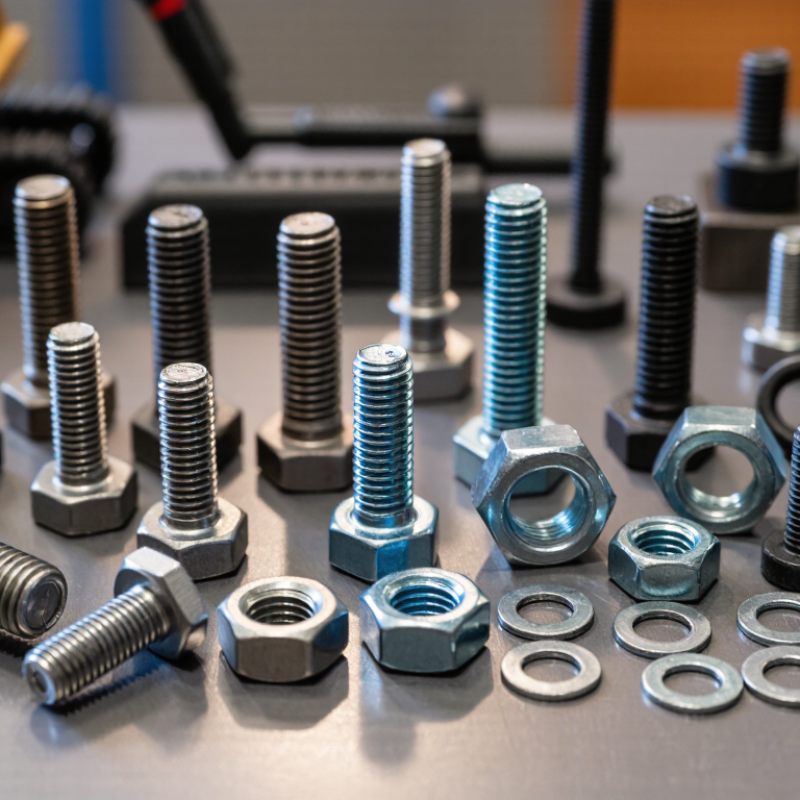
2026 Top Metal Fasteners for Global Buyers?

Metal Fasteners: Definition, Types, and Core Applications

2026 Top Metal Fasteners for Global Buyers?

Metal Fasteners: Definition, Types, and Core Applications

Metal fasteners are mechanical components that join two or more parts securely. They usually use steel, stainless steel, aluminum, brass, or specialized alloys. Common types include bolts, screws, nuts, washers, rivets, and threaded rods. Each design serves a different joining condition. Bolts normally work with nuts, while screws create threads inside the receiving material. Washers help distribute pressure and protect surface finishes. Small details matter.

In practical sourcing, buyers should check thread size, strength grade, coating, dimensions, and corrosion resistance. A fastener may look correct but fail under vibration, heat, or repeated loading. Material certificates and inspection records improve purchasing confidence. However, paperwork alone cannot replace physical checks. Fit can fail. Sample testing often reveals issues that drawings miss, especially with thread accuracy and coating thickness.

Construction projects use fasteners for steel frames, roofing, bridges, and equipment supports. Machinery manufacturers depend on them for housings, moving assemblies, and maintenance access. Automotive, marine, agricultural, and renewable-energy equipment also require carefully selected fastening systems. Stainless fasteners suit damp environments, while coated carbon steel may offer practical strength and cost control. Buyers should match the fastener to the joint, not simply choose the cheapest option. A perfect checklist is rarely enough. Real installation conditions deserve closer review.

2026 Top Metal Fasteners for Global Buyers

Metal Fasteners: Definition, Types, and Core Applications

Metal fasteners are mechanical components used to join materials without permanent bonding. The chart compares minimum tensile strength values for widely used carbon-steel and stainless-steel fastener property classes under ISO standards. Lower-strength classes are common in general construction and maintenance, while higher-strength classes are typically selected for machinery, automotive, structural, and heavy-load applications. Actual suitability also depends on corrosion resistance, thread design, temperature, installation torque, and applicable standards.

Key Materials and Performance Standards for Global Buyers

2026 Top Metal Fasteners for Global Buyers?

Material selection now starts with supply reality, not catalogue appearance. The World Steel Association’s World Steel in Figures 2025 reports approximately 1.84 billion tonnes of crude steel production in 2024. That scale supports broad availability, but it does not guarantee consistent fastener quality. Carbon steel suits many structural applications, while stainless steel performs better in humid, coastal, and chemically exposed areas. Aluminium reduces weight, yet its lower strength can limit high-load connections.

Performance standards make comparisons more reliable. For carbon and alloy steel bolts, ISO 898-1 defines mechanical properties such as tensile strength, yield strength, and hardness. Stainless steel fasteners should be checked against ISO 3506-1, especially when selecting grades for corrosion resistance. ASTM F3125 is widely used for high-strength structural bolting. However, a familiar standard does not replace inspection. Buyers should request mill certificates, lot traceability, dimensional reports, and salt-spray or corrosion test results when appropriate.

The USGS Mineral Commodity Summaries 2025 estimates global iron ore mine production at roughly 2.5 billion metric tons in 2024. Material is plentiful. Consistency is harder. I would not approve a shipment from chemistry data alone; coating thickness, thread fit, and hydrogen-related risks also deserve review. One overlooked detail can appear as a loose joint months later. Specifications should state grade, standard, coating, hardness range, packaging, and sampling method. They should also define what happens when results fall outside tolerance. That clause is often missing.

How to Select Fasteners by Industry, Load, and Environment

2026 Top Metal Fasteners for Global Buyers?
How to Select Fasteners by Industry, Load, and Environment

Choosing a metal fastener starts with the joint, not the catalog. Construction frames often need high-strength bolts for tension and shear. Machinery joints face vibration, cycling, and fatigue. Food-processing equipment demands cleanable surfaces and corrosion resistance. Marine assemblies need protection from saltwater and trapped moisture.

Measure the real load. Static weight is only part of the design. Include shock, thermal expansion, vibration, and installation error. A joint that survives a simple pull test may still loosen during repeated movement. Match bolt strength, nut class, washer design, and thread engagement. Confirm torque procedures with controlled testing, because field torque readings can mislead. Small details matter.

The environment can change the material choice completely. Zinc-coated carbon steel may suit dry indoor equipment, while stainless steel is often better near humidity or chlorides. High-temperature systems require fasteners that retain strength after heating cycles. Chemical exposure needs compatibility checks, not assumptions. Check thread standards, dimensions, coating thickness, batch traceability, and inspection records before purchasing globally. Ask for material certificates and sample testing when the application is critical. I have seen projects overfocus on tensile strength and undercheck corrosion at the joint interface. That mistake is easy to repeat.

Global Sourcing Factors: Quality, Certification, and Supplier Evaluation

2026 Top Metal Fasteners for Global Buyers?

Global buyers should evaluate fasteners through quality, certification, and supplier discipline. A bright finish can hide weak material or poor heat treatment. Request material certificates, dimensional reports, hardness results, and coating specifications for every critical order. Check whether test reports match the actual production batch. Generic documents are not enough.

Certifications support trust, but they need verification. Confirm the certificate scope, expiry date, issuing body, and factory address. For international shipments, review applicable chemical and product requirements before purchasing. Supplier evaluation should include sample testing, process records, inspection equipment, and corrective-action history. A factory may pass one audit and still fail under urgent production pressure. That possibility deserves attention. Cost is important, but unstable quality creates larger losses through delays, rework, and field failures.

Tips

Ask for traceability from raw material to packed cartons. Compare three samples from different lots. Use an independent laboratory for high-risk applications. Visit the production site when order value justifies it. Keep a written approval standard, even for small fasteners. Do not rely on promises alone. A supplier with clear records is usually easier to manage, though no evaluation method is perfect.

2026 Market Trends in Sustainable and High-Performance Fasteners

2026 Top Metal Fasteners for Global Buyers

2026 Market Trends in Sustainable and High-Performance Fasteners

In 2026, global buyers are examining fasteners beyond price and tensile strength. They want longer service life, lower replacement rates, and clearer material records. Recycled stainless steel and low-carbon alloy options are gaining attention in construction, machinery, and renewable energy projects. However, recycled content alone does not prove sustainability. Buyers should review mill certificates, coating data, and lifecycle information before approving a supplier.

Performance remains equally important. Fasteners used near coastal equipment need strong corrosion resistance and stable torque. In heavy machinery, fatigue testing and thread accuracy can prevent costly loosening. I have found that small details matter, such as consistent surface treatment and clean thread profiles. A bolt may look excellent, yet perform poorly after repeated vibration. No material is perfect. Supplier claims still require practical verification.

Tips: Request batch-level test reports, not general brochures. Compare salt-spray results with the real installation environment. Check packaging quality, because damaged threads create waste before assembly. Ask whether coatings support future recycling. A small trial order can reveal dimensional variation, delivery reliability, and documentation gaps. That extra step may feel slow. It often prevents larger failures.

FAQS

Which metal is suitable for most structural fastener applications?

Carbon steel suits many structural connections and offers broad availability. Material is plentiful. However, buyers must confirm strength, hardness, coating, and batch consistency.

When should buyers choose stainless steel fasteners?

Stainless steel performs better in humid, coastal, and chemically exposed environments. Corrosion resistance still depends on the selected grade and surface condition. Do not rely on appearance alone.

What are the main limitations of aluminium fasteners?

Aluminium reduces assembly weight and can simplify handling. Its lower strength may limit high-load connections. Check the expected load, vibration, temperature, and joining materials before approval.

Which documents should buyers request from suppliers?

Request batch-level mill certificates, lot traceability, dimensional reports, and relevant corrosion results. The documents should match the actual shipment. General brochures are not enough.

How can buyers evaluate sustainable fasteners?

Review recycled content, low-carbon production data, coating details, and lifecycle information. Recycled content alone does not prove sustainability. The records may be incomplete. Ask specific questions.

What performance checks matter beyond tensile strength?

Check yield strength, hardness, thread accuracy, coating thickness, and torque stability. Fatigue testing matters for machinery exposed to repeated vibration. A bolt can look perfect and still loosen later.

Why is packaging important for metal fasteners?

Poor packaging can damage threads before assembly and create avoidable waste. Inspect boxes, separators, moisture protection, and label accuracy. Small damage matters.

Should buyers place a trial order before a large purchase?

A small trial order can reveal dimensional variation, delivery reliability, and documentation gaps. Compare test results with the real installation environment. This step feels slow. It may prevent a much larger failure.

Conclusion

This guide to Metal Fasteners explains their definition, major types, and essential applications across construction, automotive, machinery, energy, infrastructure, and manufacturing. It examines common materials such as carbon steel, stainless steel, alloy steel, aluminum, and specialty alloys, while highlighting how strength, corrosion resistance, temperature tolerance, coatings, and dimensional accuracy influence performance. Global buyers will also learn how to select fasteners according to load, joint design, operating environment, installation method, and service life.

The article provides practical guidance for international sourcing, including quality control, traceability, testing, certifications, technical documentation, production capacity, and supplier evaluation. It also explores 2026 market trends, such as demand for sustainable materials, recycled content, lower-impact manufacturing, high-strength designs, improved corrosion protection, and customized fastening solutions. By combining engineering requirements with responsible procurement practices, buyers can reduce risk, improve reliability, and choose fasteners that deliver consistent value throughout their intended applications.


Sienna

Sienna

Sienna is a skilled marketing professional with a deep expertise in our company’s core products and services. With a passion for innovation and detail, she plays a pivotal role in crafting insightful blog posts that not only highlight the unique features of our offerings but also provide valuable......