Top China Triangular Shaft Manufacturers for Global Buyers

Time:2026-10-15 Author:Liam
0%

Global buyers need more than a supplier list when selecting a Triangular Shaft manufacturer. They need evidence, consistency, and practical engineering support. A suitable factory should explain steel grades, torque ratings, spline dimensions, heat treatment, surface finish, and inspection methods clearly. Product photographs help, but measured data matters more.

Mechanical transmission specialist Dr. Robert L. Norton has emphasized, “Good design begins with understanding how a component will actually be used.” That principle applies directly to Triangular Shaft sourcing. A shaft for agricultural equipment may face shock loads, dust, vibration, and seasonal storage. Industrial machinery may demand tighter tolerances, continuous operation, and documented fatigue performance. The application changes the purchasing decision.

This guide examines leading Chinese manufacturers through those practical criteria. It considers machining capability, material traceability, quality-control procedures, customization, packaging, export experience, and after-sales communication. ISO certification can support credibility, but certification alone cannot prove dependable production. Buyers should request drawings, tolerance reports, sample testing, and clear delivery terms.

Details reveal competence.

A strong supplier should also discuss failure risks honestly. Misalignment, insufficient wall thickness, poor heat treatment, and incorrect lubrication can shorten service life. No manufacturer is perfect. That caveat deserves attention. Some factories present polished catalogs while offering limited technical support after payment. Others may communicate slowly but provide stronger engineering evidence.

The most reliable choice usually balances price, performance, responsiveness, and accountability. This overview helps global buyers compare Triangular Shaft manufacturers with fewer assumptions and better questions.
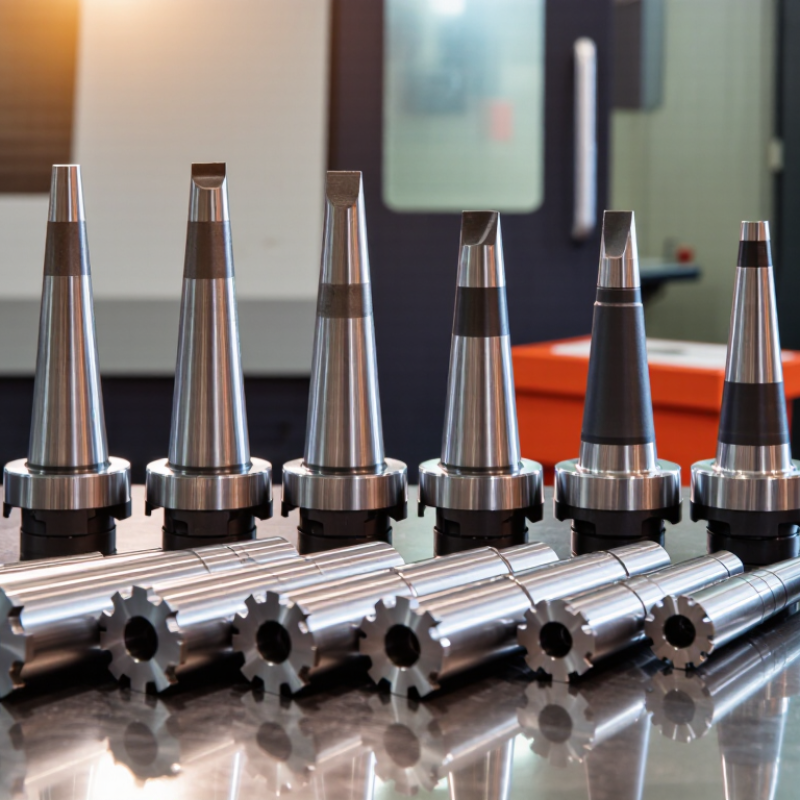
Top China Triangular Shaft Manufacturers for Global Buyers

What Is a Triangular Shaft and Where Is It Used?

A triangular shaft is a mechanical power-transmission component with three external driving faces. Its matching yoke or hub transfers torque through the shaped profile. Unlike a round shaft, it resists rotational slipping without relying only on a key. This design is common in agricultural PTO systems, compact machinery, conveyors, and selected hydraulic equipment.

Its value appears under load. A tractor implement may face sudden resistance from wet soil, packed grass, or uneven crop rows. The triangular profile helps maintain alignment while transferring rotational force. Industry estimates show the global agricultural machinery market reached about USD 215.8 billion in 2023, according to Grand View Research. This expanding equipment base supports continued demand for reliable driveline components. However, a triangular shaft is not automatically stronger. Wall thickness, steel grade, heat treatment, and working length still control performance. A drawing can mislead.

Tips: Confirm the profile size, spline dimensions, operating speed, and torque rating. Check telescoping clearance before installation. ISO 500-1 provides reference dimensions for agricultural PTO connections, but it does not replace the machine maker’s specifications. Ask manufacturers for hardness data, fatigue testing, and batch traceability. In field inspections, look for twisted edges, fretting marks, and unusual vibration. Small wear often becomes expensive downtime. Another practical concern is lubrication access, which many buyers overlook during selection.

Key Standards for Evaluating Chinese Triangular Shaft Manufacturers

Selecting Chinese triangular shaft manufacturers requires more than comparing prices or polished websites. A reliable evaluation begins with documented production experience, clear drawings, and traceable materials. Ask for steel mill certificates, heat-treatment records, and inspection reports for every batch. Ask for evidence.

Technical capability should match the shaft’s working conditions. Check profile dimensions, straightness, hardness, surface roughness, and torsional performance. For example, a sample shaft should fit its mating hub without forcing, binding, or visible play. Independent testing can verify torque capacity and fatigue behavior. ISO 9001 certification supports process control, but it does not replace factory audits or product testing. Visiting the machining area can reveal worn tooling, poor storage, or inconsistent measurement practices.

Reliable manufacturers explain tolerance limits before accepting an order. They should provide calibrated gauge records, corrective-action reports, and a realistic production schedule. Confirm whether inspection tools are checked against recognized standards. No supplier is perfect. I have found that honest factories disclose rejected samples and process weaknesses. That openness often matters more than impressive claims. A small pilot order can expose packaging damage, dimensional drift, or slow communication before full production begins. Keep written approval samples, revision numbers, and change-control terms. Vague promises remain a risk.

Key Standards for Evaluating Chinese Triangular Shaft Manufacturers

This buyer evaluation framework prioritizes dimensional accuracy, material traceability, surface durability, quality-system certification, production capacity, and export compliance. The weighting reflects common industrial procurement priorities for triangular shafts used in power-transmission and agricultural machinery applications.

Leading Manufacturer Profiles and Their Product Capabilities

China’s triangular shaft sector serves agricultural, construction, and industrial drivetrain markets. Grand View Research valued the global agricultural equipment market at about USD 178.6 billion in 2023. That scale increases demand for stable torque transfer and replaceable components.

Forging-led manufacturers typically produce triangular tubes, yokes, splined shafts, and protective guards. Their strengths include high-volume forming, automated heat treatment, and cost-controlled steel sourcing. Many offer shaft lengths from compact implements to heavy-duty towing systems. In practice, buyers should inspect wall thickness, spline accuracy, weld penetration, and balancing records. Numbers matter.

Precision-machining specialists focus on tighter tolerances and custom interfaces. Their capabilities often include CNC turning, broaching, dynamic balancing, and coordinate measurement. The ISO 9001 quality framework remains common across export-oriented factories, although certification alone does not prove process discipline. Ask for inspection plans and batch traceability. This is where some profiles look stronger on paper than on the shop floor.

Integrated manufacturers combine engineering, machining, assembly, and testing under one facility. According to MarketsandMarkets, the agricultural machinery market continues expanding with automation and equipment modernization. That trend favors suppliers able to modify shaft geometry quickly. However, customization can expose weaknesses in documentation and change control. Buyers should request fatigue-test results, material certificates, dimensional reports, and samples from current production. A polished catalog is not enough.

Quality Control, Customization, and Export Service Considerations

When selecting top China triangular shaft manufacturers, buyers should inspect process evidence, not polished catalogs. ISO’s 2022 Survey recorded 1,265,216 ISO 9001 certificates worldwide. Certification matters, but it does not guarantee accurate splines or stable torque performance. Request material certificates, heat-treatment records, dimensional reports, and dynamic-balance results. Check shaft diameter, tube wall thickness, spline fit, and weld penetration against approved drawings. A practical sample trial can reveal vibration that paperwork misses. It happens.

Customization should begin with operating conditions. Share tractor power, speed, working angle, torque range, shaft length, guard requirements, and installation space. Manufacturers should confirm tolerances before production. They should also explain how design changes affect strength, service life, and cost. A useful supplier can provide prototypes, inspection points, and traceable batch numbers. However, buyers should avoid accepting “universal fit” claims without test data. That shortcut often creates field problems.

Export service deserves equal attention. The World Bank’s 2023 Logistics Performance Index evaluates customs, infrastructure, shipment arrangement, logistics competence, tracking, and timeliness. Ask suppliers how they manage each area. Confirm commercial invoices, packing lists, certificates of origin, and product classification details before shipment. The 2023 Review of Maritime Transport notes that over 80% of global merchandise trade by volume moves by sea, making packaging critical. Use reinforced crates, corrosion protection, moisture barriers, and clear part labels. Delivery estimates can still fail, especially during port congestion. A dependable supplier should communicate delays early, provide inspection photos, and offer realistic Incoterms rather than optimistic promises.

Top China Triangular Shaft Manufacturers for Global Buyers - Quality Control, Customization, and Export Service Considerations

Evaluation Dimension Typical Industry Data What Global Buyers Should Verify Quality-Control Evidence Customization Relevance Export-Service Consideration
Shaft Profile Triangular, three-lobed, or custom non-circular profiles; cold-drawn, machined, forged, or rolled production routes are commonly used. Confirm the profile drawing, corner radius, across-flats or across-corners dimension, allowable twist, and datum references. Profile inspection report, calibrated gauges, coordinate-measuring-machine records, and first-article inspection results. High Special profiles normally require dedicated tooling or CNC programming. Provide 2D drawings in a widely readable format and 3D files when required by the buyer.
Material Selection Common shaft materials include carbon steel, alloy steel, stainless steel, and engineering steel grades selected according to load and corrosion requirements. Verify the exact material grade, chemical composition, heat-treatment condition, hardness range, and applicable standard. Mill test certificate, chemical analysis, hardness testing, and traceability from raw material to finished lot. Medium Alternative grades may affect tooling, heat treatment, corrosion resistance, and cost. Material certificates should be supplied in English and linked to lot or heat numbers.
Dimensional Tolerance Commercial tolerances vary by manufacturing process; precision applications may require tighter profile, diameter, length, and concentricity control than standard production. Specify tolerances for profile geometry, straightness, total length, end features, keyways, holes, and mating surfaces. Inspection plan, sampling method, gauge calibration records, and dimensional reports against the approved drawing. High Tolerance requirements directly influence process selection and inspection cost. Agree on the inspection standard and acceptance criteria before mass production.
Mechanical Properties Strength, yield performance, elongation, impact resistance, and hardness depend on material grade and heat treatment. Confirm required tensile strength, yield strength, elongation, hardness, and test direction where applicable. Tensile-test report, hardness report, heat-treatment chart, and batch-level property records. Medium Changing mechanical requirements can require a different grade or treatment cycle. Test reports should identify the batch, test method, specimen location, and laboratory or equipment used.
Surface Finish Available finishes may include as-drawn, turned, ground, polished, plated, black-oxide treated, or other specified protective finishes. Define roughness values, coating or treatment thickness, appearance limits, corrosion requirements, and protected areas. Surface-roughness measurement, coating-thickness records, visual inspection criteria, and corrosion-test results when specified. High Surface treatment can be selected for wear, friction, appearance, or corrosion resistance. Confirm whether the treatment complies with destination-country environmental and chemical requirements.
End Machining Typical end features include chamfers, threads, splines, keyways, cross-holes, stepped sections, and milled locating surfaces. Check thread standard, pitch, fit class, edge-break requirements, hole position, and end-to-profile orientation. Thread gauges, functional gauges, CMM inspection, go/no-go checks, and orientation records. Very High End geometry is frequently customized for direct assembly. Packaging must prevent thread damage, edge impact, and mixing of different orientations or variants.
Straightness and Runout Long or slender shafts are more sensitive to bending, residual stress, transport impact, and heat-treatment distortion. Specify straightness, runout, bow direction, measurement span, support method, and rotational reference. V-block or fixture inspection, dial-indicator records, straightness reports, and corrective-process records. High Length-to-section ratio and post-treatment requirements affect achievable accuracy. Use rigid separators and moisture protection to reduce deformation during ocean or road transport.
Production Capacity Capacity depends on profile complexity, shaft length, material, tooling, heat treatment, finishing, and inspection requirements. Verify monthly capacity for the specific part, available backup equipment, bottleneck processes, and capacity during peak periods. Process-flow chart, machine list, production schedule, capacity statement, and sample lot records. Medium Stable repeat orders generally support dedicated tooling and more consistent scheduling. Request a realistic production lead-time range rather than relying only on a standard quotation.
Sampling and Approval A normal approval sequence includes drawing review, prototype or sample production, dimensional approval, functional testing, and pilot production. Agree on sample quantity, approval documents, change-control rules, and the conditions for starting mass production. First-article inspection report, approved golden sample, process capability data, and signed drawing revision. Very High Sampling is essential for custom triangular profiles and mating assemblies. Keep approved samples and records under revision control for future repeat orders.
Inspection System Recommended controls include incoming inspection, in-process checks, final inspection, nonconformance control, and calibration management. Ask which characteristics are inspected 100% and which are checked by sampling, including the applicable sampling plan. Inspection and test plan, calibration certificates, nonconformance reports, corrective-action records, and final release documents. High Custom dimensions require inspection methods matched to the drawing. Inspection documents should be available before shipment when required by the purchase contract.
Quality Management Manufacturers serving industrial export markets commonly operate documented quality-management procedures and controlled production records. Verify the current scope of the quality-management certificate and whether it covers the relevant manufacturing site and product process. Valid certificate, internal audit records, supplier-control procedure, document-control procedure, and corrective-action process. Medium A documented system improves repeatability but does not replace part-specific inspection. Use purchase-order quality clauses to define records, audit rights, and retention periods.
Traceability Traceability may cover raw-material heat number, production batch, heat-treatment batch, inspection lot, and packing unit. Confirm how identification is maintained after cutting, machining, surface treatment, and repacking. Lot labels, traveler or route cards, material certificates, heat-treatment records, and shipment-level packing lists. Medium Full traceability is especially important for safety-critical or regulated applications. Mark cartons and bundles with part number, revision, quantity, lot number, and country of origin where required.
Packaging Suitable methods include oil or VCI protection, individual sleeves, separators, moisture barriers, reinforced cartons, and export pallets. Specify maximum bundle weight, corrosion-protection period, surface-protection material, label format, and stacking limits. Packaging specification, pre-shipment photographs, quantity verification, and loading checklist. Medium Packaging can be customized for automated unloading, warehouse storage, or line-side feeding. Packaging should meet the requirements of the selected transport mode and destination handling conditions.
Lead Time Actual lead time varies with tooling, sample approval, material availability, heat treatment, surface finishing, and order quantity. Separate tooling time, sample time, production time, inspection time, and shipping time in the quotation. Milestone schedule, production updates, material-arrival confirmation, and pre-shipment release record. High New profiles and special finishes generally require more planning than standard parts. Include a shipment-ready date and a document-completion date in the purchase order.
Export Documentation Common documents include commercial invoice, packing list, transport document, certificate of origin where applicable, and inspection or material certificates. Confirm document language, consignee details, tariff classification responsibility, and any destination-specific requirements. Document checklist, certificate matching, lot-to-packing-list reconciliation, and pre-alert package. Low Documentation is usually independent of the triangular profile but must match the actual shipment. Agree on the applicable Incoterms® rule, shipping point, insurance responsibility, and document release process.
Commercial Risk Control Key controls include approved drawings, defined tolerances, sample approval, change notification, inspection rights, and clear acceptance criteria. Evaluate technical responsiveness, quotation completeness, deviation reporting, warranty terms, and corrective-action speed. Signed technical agreement, deviation request form, corrective-action report, and final inspection release. Very High Precise technical documentation reduces disputes for customized shafts. Use staged approval and payment terms linked to tooling, sample, production, and shipment milestones.
Note: The figures and practices above describe commonly used buyer-evaluation criteria for Chinese triangular-shaft sourcing. Exact tolerances, materials, testing frequency, lead times, certifications, and export documents must be confirmed against the approved drawing, purchase order, and applicable destination requirements.

How Global Buyers Can Select the Right Chinese Supplier

Top China Triangular Shaft Manufacturers for Global Buyers

Global buyers should judge Chinese triangular shaft suppliers by process control, not attractive catalogs. Request drawings, steel grades, heat-treatment details, tolerances, and surface-finish requirements. A capable manufacturer should explain how it controls profile symmetry, runout, and dimensional stability during machining.

Ask for recent inspection reports and material certificates. Confirm whether measurements use calibrated equipment, such as a CMM or profile projector. Review sample shafts under practical conditions, including assembly fit, torque transfer, and repeated operation. A small trial order can reveal more than polished sales presentations. Check packaging carefully, too. Protective sleeves, rust prevention, and rigid separators matter during long sea transport.

Communication deserves equal attention. Your supplier should answer technical questions clearly and identify risks before production begins. Verify production capacity, subcontracting practices, lead times, and export documentation through a structured audit. Independent pre-shipment inspection may add cost, but it can prevent expensive rework. No supplier is perfect. I would question any factory promising zero defects without explaining its control plan. Even experienced buyers sometimes overlook changing steel prices or unclear ownership of tooling. Put these details in writing, then compare suppliers using the same checklist. A reliable partner may not offer the lowest quote, but it should provide traceable records, consistent samples, and realistic delivery commitments.

FAQS

What documents should I request from a Chinese triangular shaft manufacturer?

Request material certificates, heat-treatment records, inspection reports, and approved drawings. Keep revision numbers visible. These records help trace each production batch and reveal missing controls.

How can I evaluate a shaft’s technical quality?

Check profile dimensions, straightness, hardness, surface roughness, and torsional performance. The shaft should fit its hub without forcing, binding, or excessive play. A clean appearance alone proves little.

Does ISO 9001 certification guarantee reliable products?

No. It supports process control but cannot replace factory audits or product testing. Review actual inspection records, calibrated equipment, and current production samples.

What should I inspect during a factory visit?

Look at machining areas, tooling condition, material storage, and measurement practices. Worn tools may create dimensional drift. Poor storage can damage steel before machining begins.

Why are tolerance limits important before ordering?

Clear tolerances define acceptable variation for profile size, runout, and fit. Ask for gauge calibration records and corrective-action reports. Vague promises remain risky.

Should I place a small trial order?

Yes, when practical. A pilot order can expose packaging damage, slow communication, or inconsistent dimensions. It is not perfect, but it reduces uncertainty before larger production.

What manufacturing capabilities should I compare?

Compare forging, CNC machining, broaching, heat treatment, balancing, and coordinate measurement. Check wall thickness, spline accuracy, weld penetration, and balancing records. Numbers matter more than polished catalogs.

How can I protect shafts during transport?

Ask for protective sleeves, rust prevention, and rigid separators. These details matter during long sea transport. Packaging is easy to overlook. I have learned that late damage can erase an attractive price advantage.

How should I judge a supplier’s communication?

The supplier should answer technical questions clearly and identify risks early. Confirm lead times, subcontracting, production capacity, and export documents in writing. Fast replies are helpful, but accurate replies matter more.

What warning signs deserve extra attention?

Be cautious about unrealistic delivery promises, unexplained tolerance changes, and claims of zero defects. Ask who owns tooling and how design changes receive approval. Even experienced buyers miss details sometimes.

Conclusion

A Triangular Shaft is a specialized mechanical component designed with a three-sided profile that helps transfer torque, maintain alignment, and reduce unwanted rotation between connected parts. It is commonly used in agricultural machinery, power transmission systems, automotive equipment, construction tools, and other applications requiring reliable mechanical performance. This guide explains how global buyers can assess Chinese manufacturers by reviewing material quality, dimensional accuracy, heat treatment, surface finishing, production capacity, testing procedures, and compliance with relevant international standards.

It also outlines the capabilities buyers should expect from leading suppliers, including custom dimensions, prototype development, flexible machining, strict quality control, secure packaging, and dependable export support. When selecting a Chinese Triangular Shaft supplier, buyers should compare technical expertise, manufacturing equipment, inspection systems, communication efficiency, lead times, documentation, and after-sales service. A careful evaluation of these factors can help international customers identify a supplier that delivers consistent quality, practical customization, competitive value, and stable long-term cooperation.


Liam

Liam

Liam is a dedicated marketing professional with a profound expertise in the industry, where he excels at highlighting the unique advantages of our core products. With a keen understanding of market trends and consumer needs, Liam frequently updates our company’s professional blog, providing......