Choosing the right electrical components for your project can be challenging. With numerous options available, it’s easy to feel overwhelmed. Electrical components play a crucial role in determining the success of your design. Selecting the wrong part may lead to inefficiencies or even project failure.
Understanding your project requirements is essential. You need to consider voltage, current ratings, and compatibility with other elements. Researching components can help you make informed choices. Real-world experiences often reveal gaps in knowledge about these products. Relying on reliable sources is key. Industry standards can guide you, but they don’t cover every situation.
Mistakes in component selection often stem from insufficient information. It’s vital to test and validate each choice in a controlled setting. Learning from past experiences, both successes and failures, helps build your expertise. The journey to choosing the right electrical components requires diligence and reflection.
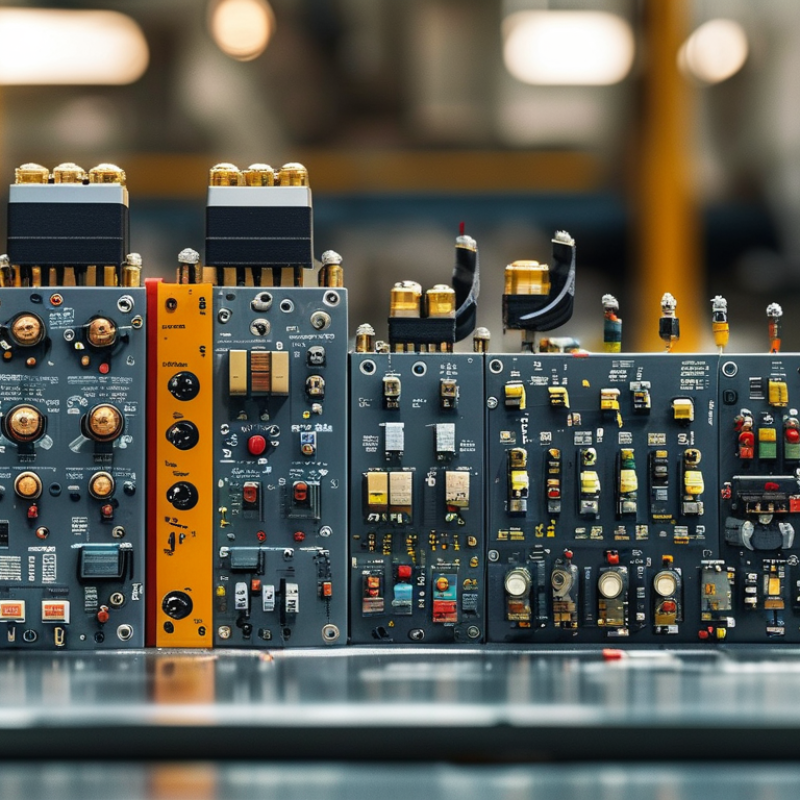
Choosing the right electrical components for your project is crucial. Understanding their basics can simplify this process. Electrical components include resistors, capacitors, diodes, and transistors. Each plays a unique role. Resistors limit current flow, while capacitors store energy. Diodes allow current to flow in only one direction. Transistors can amplify or switch electrical signals.
When selecting components, consider their specifications. Check voltage ratings and current limits. It’s vital to match these to your project needs. For example, if an operation exceeds a component's rating, it could fail. This might cause a project delay or even damage other parts. Always double-check your calculations. A small oversight can lead to larger problems down the line.
Experimentation is part of the learning process. If unsure, seek advice or consult online forums. Engaging with knowledgeable individuals can provide deeper insights. Remember, hands-on experience is invaluable. Don’t hesitate to learn from mistakes. Each error teaches you something new about component behavior and functionality.
When selecting electrical components for a project, identifying project requirements is crucial. Understanding the specifications can significantly impact overall performance. According to the International Electrotechnical Commission (IEC), approximately 40% of project delays stem from improper component selection. Each project requires a tailored approach to component selection, focusing on voltage ratings, current ratings, and environmental conditions.
Take time to list specifications. Calculate necessary power levels based on actual loads. For example, if a circuit operates at 24V with a current of 5A, ensure the chosen components can handle at least 25% more than this load. The American National Standards Institute (ANSI) encourages standardizing components to enhance compatibility. This strategy can simplify future upgrades.
Be aware that not all components perform well in every setting. Evaluating reliability and durability is essential. In fact, a 2022 report from the Electronic Reliability Design Center highlighted that nearly 30% of component failures are due to environmental stress. Regular assessment and adjustments to the selection process can mitigate risks. Achieving efficiency is a dynamic task that often requires adjustments and learning from prior projects.
| Component Type | Voltage Rating (V) | Current Rating (A) | Power Rating (W) | Typical Applications |
|---|---|---|---|---|
| Resistor | 250 | 0.5 | 0.125 | Voltage Dividers, Current Limiting |
| Capacitor | 500 | 0.1 | 0.05 | Filtering, Coupling |
| Transistor | 60 | 2 | 1.5 | Switching, Amplifying |
| Diode | 100 | 1 | 0.3 | Rectification, Clamping |
| LED | 3 | 0.02 | 0.06 | Indicator, Display |
Choosing the right electrical components for your projects requires careful evaluation of quality and reliability. Over 40% of design failures in electronics stem from subpar components, according to industry studies. Ensuring that your components meet rigorous standards is vital to the success and longevity of your project.
When assessing quality, look for certifications such as ISO 9001 or UL. These indicate that the manufacturer adheres to high standards in their production processes. Additionally, a component's lifespan should be considered. For instance, capacitors typically have a life expectancy measured in hours at a specific temperature. Components rated for higher temperatures generally offer better durability.
Reliability also means understanding the potential for failure. Data shows that up to 60% of electronic failures result from heat and environmental conditions. Testing components under realistic conditions can uncover weaknesses. Balancing cost with quality is challenging. Sometimes, opting for cheaper components might lead to increased long-term costs. Always weigh the risks versus the benefits carefully.
When selecting electrical components, understanding costs and availability is essential. Prices can vary significantly based on the type of component. For instance, passive components like resistors are generally affordable. However, the cost of more specialized parts, such as microcontrollers, can add up quickly. Researching reputable suppliers helps ensure that you get a fair price. It’s advisable to compare prices across multiple platforms.
Availability plays a crucial role in project planning. Certain components may be readily available, while others may face shortages. Seasonal demands or supply chain disruptions can affect this. It’s wise to maintain a flexible project timeline to accommodate these variations. Sometimes, opting for alternative components may lead to unexpected advantages, but this requires careful consideration. Always check the specifications of substitutes; they might not perform as expected.
Purchasing in bulk can sometimes reduce costs, but it carries risk. If a specific part is needed only occasionally, overbuying can lead to waste. It’s important to keep an eye on inventory levels. Being proactive in sourcing parts is a skill that improves with experience. Monitoring market trends and seasonal availability can foster smarter purchasing decisions in the long run.
When sourcing electrical components, your choice of supplier can greatly impact your project's success. Explore local electronics stores, online marketplaces, and specialized distributors. Each option offers unique advantages. Local stores provide immediate access but might have limited selections. Online options often feature better pricing, but shipping times can vary.
Consider the quality and reliability of components. Research suppliers to ensure they adhere to industry standards. Reviews and testimonials can offer insights. However, be cautious with online feedback. Not all reviews are trustworthy. Additionally, verify component specifications before purchasing. Mismatched parts can delay projects and inflate budgets.
Sourcing components is sometimes a trial-and-error process. You may find that certain suppliers don't meet your expectations. It's important to learn from these experiences. Develop relationships with reliable suppliers over time. This can lead to better deals and faster service. Trust and communication are essential in procurement. Your project's success hinges on selecting the right components from the right sources.
: Check for certifications like ISO 9001 or UL to gauge quality.
Lifespan is often measured in hours at certain temperatures. Higher temperatures usually mean better durability.
Up to 60% of failures come from heat and environmental conditions. Testing under realistic situations is crucial.
Research suppliers and explore local and online options. Each has its own advantages.
Opting for lower-cost components might lead to higher long-term costs. Always weigh risks against benefits.
They can provide insights, but not all reviews are trustworthy. Approach with caution.
Verify component specifications to avoid mismatched parts that could delay your project.
It can be a trial-and-error process. Learning from experiences is key to improving your choices.
Build relationships over time through communication and giving feedback on their reliability.
It’s important to reflect on the experience and adjust your sourcing strategy accordingly.
Choosing the right electrical components for your project is essential for ensuring functionality and efficiency. It begins with a solid understanding of the basics of electrical components and their functions, enabling you to recognize which parts are necessary for your specific needs. Identifying the project requirements and specifications is crucial, as this will guide your selection process.
Once you have a clear understanding of your project, evaluating the quality and reliability of electrical components becomes a priority. It's important to compare costs and availability in the market, as this can affect your budget and timelines. Finally, sourcing components requires careful consideration of where to buy and the associated procurement factors, ensuring that you obtain the best possible materials for your project’s success.

Jifeilong