Why Choose Steel Turned Parts for Your Manufacturing Needs?

Time:2026-06-24 Author:Charlotte
0%

In today's competitive manufacturing landscape, choosing the right components is crucial. Steel Turned Parts have gained popularity for good reasons. These parts offer durability and precision that are essential for various applications.

Manufacturers often seek materials that withstand stress and wear. Steel Turned Parts excel in these areas. They provide strength while maintaining tight tolerances, ensuring functionality in machinery and equipment. Their resistance to deformation is a significant advantage.

While some may overlook the importance of material selection, Investing in Steel Turned Parts can enhance product longevity. It can also lead to cost savings over time. Yet, not all steel parts are created equal. Understanding specifications and choosing reputable suppliers is vital for achieving optimal results.
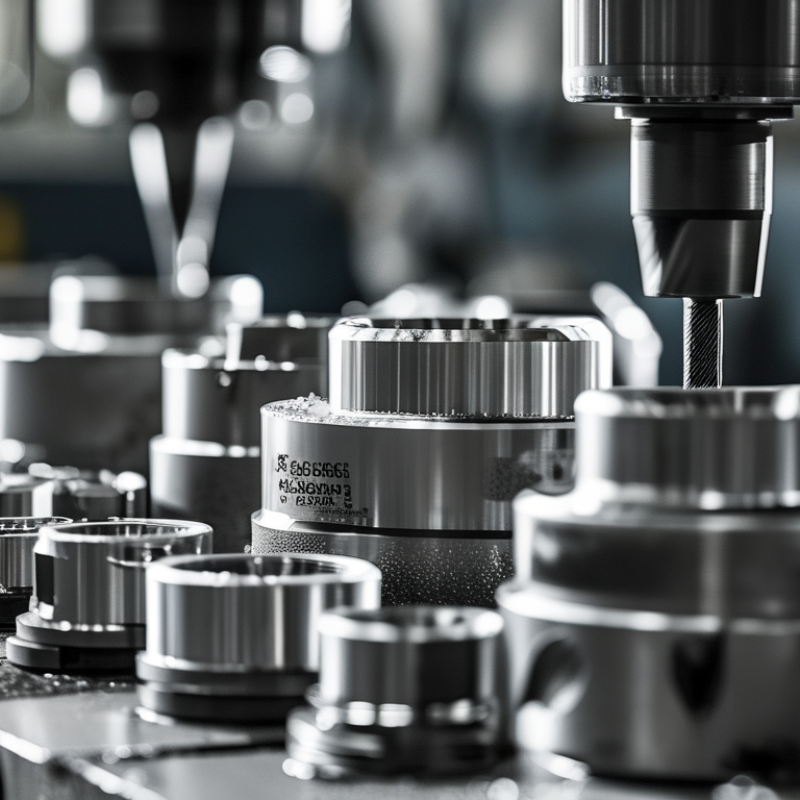
Why Choose Steel Turned Parts for Your Manufacturing Needs?

Benefits of Steel Turned Parts in Manufacturing Applications

Steel turned parts have gained popularity in various manufacturing sectors due to their robust properties. One major advantage is their durability. Steel offers high resistance to wear and tear, making it ideal for precision components. These parts withstand heavy loads and extreme conditions, ensuring reliability in demanding environments. They excel in applications ranging from automotive to aerospace, where precision is non-negotiable.

Another benefit lies in their machining versatility. Steel can be precisely turned, drilled, or milled into intricate shapes and designs. This flexibility allows manufacturers to meet specific requirements efficiently. Additionally, steel's ability to be heat-treated enhances its mechanical strength. While these advantages are significant, it's crucial to acknowledge the challenges in sourcing high-quality steel. Not all suppliers meet industry standards. Quality control measures must be in place to ensure the desired performance of the turned parts.

Despite the numerous benefits, manufacturers must remain vigilant. Cost fluctuations in steel can impact budgets. Choosing the right grade of steel is essential for project success and longevity. Engaging with experienced partners can bridge this knowledge gap. Embracing continuous improvement in manufacturing processes can help address potential pitfalls. Investing time in research and development can lead to better outcomes and innovations in steel turned parts.

Durability and Strength: Key Features of Steel Turned Parts

Steel turned parts are crucial in today's manufacturing landscape. Their durability and strength set them apart from alternatives. Steel offers a tensile strength range from 370 to 580 MPa. This makes it ideal for applications requiring resilience under stress. For instance, components in aerospace and automotive sectors often depend on steel turned parts for safety and performance.

Research shows that steel outperforms other materials in wear resistance. According to a report by the International Journal of Manufacturing Science, parts made from steel maintain their integrity longer. This results in fewer replacements and lower long-term costs. Misuse and exposure to extreme conditions can still lead to wear, but evaluating usage conditions helps prevent premature failure.

Proper machining techniques enhance the strength of steel turned parts. Advanced processing methods can refine their properties. However, not all manufacturers apply these techniques consistently. This inconsistency can result in varying quality. A careful selection of suppliers, along with robust quality checks, is essential for maintaining reliability in production.

Cost-Effectiveness of Steel Turned Parts in Production Processes

When evaluating production methods, the cost-effectiveness of steel turned parts stands out. Steel, a durable material, lends itself well to mass production. Its strength ensures that parts have a longer lifespan, leading to savings in replacement costs. Using steel often means fewer failures, which can contribute to smoother operations.

Manufacturing processes that utilize steel turned parts can also reduce expenses in labor and machine time. The precision of turning techniques minimizes waste. This aspect alone can significantly lower overall production costs. Yet, manufacturers must consider the initial investment in machinery. While these costs are tangible, the return on investment often proves favorable.

Reliability in steel turned parts is not without its challenges. Variability in material quality can impact final products. It is essential to maintain strict quality control measures. Companies need to reflect on their sourcing practices to optimize production. A consistent approach in sourcing minimizes risks and enhances cost-effectiveness. Understanding these nuances plays a crucial role in maximizing the benefits of using steel in manufacturing.

Why Choose Steel Turned Parts for Your Manufacturing Needs? - Cost-Effectiveness of Steel Turned Parts in Production Processes

Feature Details Cost-Effectiveness Applications
Durability Steel parts provide high strength and resistance to wear and tear. Lower replacement costs due to longevity. Automotive, aerospace, machinery.
Precision High precision in dimensions and tolerances achievable with steel machining. Reduced scrap rates contribute to lower production costs. Electronics, medical devices, industrial equipment.
Versatility Can be used in a wide range of products and industries. Flexibility in production processes helps in cost management. Construction, consumer goods, agricultural equipment.
Sustainability Steel is recyclable and can be reused in new manufacturing. Reduces waste disposal costs and promotes environmental responsibility. Green technologies and initiatives.

Versatility of Steel Turned Parts Across Various Industries

Steel turned parts are increasingly recognized for their versatility in various industries. From automotive to aerospace, these components play an essential role. They provide strength, durability, and precision. For instance, in the automotive sector, steel turned parts are used in engine components and transmission systems. Their ability to withstand high stress and temperatures makes them ideal for these applications.

In the aerospace industry, the demand for lightweight yet strong parts is critical. Steel turned parts fulfill this requirement, ensuring safety and performance. They can be customized to fit specific designs, accommodating the intricate needs of modern aircraft. Despite their benefits, achieving the perfect balance of weight and strength can be challenging. It requires expertise and continuous testing to refine the designs.

The versatility of steel turned parts extends to manufacturing equipment as well. In machinery, they provide critical functionality, often being the backbone of complex systems. However, selecting the right material and dimensions can be a complex decision. Each application may demand different tolerances and finishes. This requires technical knowledge and experience in the field to navigate effectively.

Why Choose Steel Turned Parts for Your Manufacturing Needs?

Steel turned parts are widely utilized across various industries due to their versatility. This chart illustrates the market share of steel turned parts in five key sectors, showcasing their significant role in automotive, aerospace, medical, electronics, and construction industries.

Comparative Analysis: Steel Turned Parts vs. Alternative Materials

Steel turned parts have gained traction in various manufacturing sectors due to their durability and precision. According to a report by the Precision Engineering Society, steel parts can achieve tolerances within 0.001 inches, making them ideal for applications that require high accuracy. Comparatively, plastic and aluminum alternatives often fall short in terms of structural integrity and wear resistance. Steel parts can withstand higher temperatures and pressures, which is crucial in demanding environments like automotive and aerospace industries.

However, steel is not without its drawbacks. The cost can be higher compared to other materials, which may deter some manufacturers. A recent study indicated that 30% of companies cited budget constraints when choosing materials. Additionally, the weight of steel can be a concern for projects requiring lightweight components. While aluminum parts offer a lighter option, they can compromise on strength, leading to a potential trade-off between weight and durability.

The choice between steel and alternative materials often hinges on the specific application and performance expectations. Steel provides outstanding strength and precision but may also require more resources for shaping and finishing. A balanced approach is essential for manufacturers to ensure they meet both quality standards and budget limitations, reflecting the complex nature of material selection in engineering.

FAQS

: What are the main benefits of using steel turned parts?

: Steel turned parts offer durability, precision, and cost-effectiveness in production processes, leading to longer lifespans and fewer failures.

How do production methods with steel turned parts reduce costs?

They lower labor and machine time expenses while minimizing waste through precise turning techniques.

What challenges are associated with the reliability of steel turned parts?

Variability in material quality can affect final products, necessitating strict quality control measures.

In which industries are steel turned parts commonly used?

They are used in automotive, aerospace, and manufacturing, providing strength and precision in critical applications.

Why is achieving the right balance of weight and strength important?

Modern designs require materials that meet specific demands, especially in aerospace, balancing safety and performance.

What are the drawbacks of using steel compared to alternative materials?

Steel can be more costly and heavier than aluminum, which may deter some manufacturers from selecting it.

How precise can steel turned parts be?

They can achieve tolerances within 0.001 inches, making them ideal for high-accuracy applications.

What factors influence the choice between steel and alternative materials?

Key factors include application requirements, performance expectations, and budget limitations.

How does the versatility of steel turned parts manifest in manufacturing?

They are integral to machinery, providing essential functionality while necessitating knowledge about material and dimension selection.

What should manufacturers reflect on for optimal production?

They need to evaluate their sourcing practices and maintain a consistent approach to improve cost-effectiveness.

Conclusion

Steel Turned Parts are increasingly favored in manufacturing due to their notable durability and strength. These key features make them ideal for various applications, enabling manufacturers to rely on components that withstand high stress and wear. Additionally, the cost-effectiveness of Steel Turned Parts in production processes contributes to improved efficiency and reduced operational costs.

Their versatility is evident across a multitude of industries, from automotive to aerospace, showcasing their adaptability to different requirements and environments. A comparative analysis reveals that Steel Turned Parts often outperform alternative materials in terms of longevity and reliability, making them a smart choice for manufacturers seeking quality and performance in their product offerings.

Charlotte

Charlotte

Charlotte is a seasoned marketing professional with a deep understanding of the company's portfolio and a passion for elevating its presence in the market. With a keen eye for detail and a commitment to excellence, she ensures that our professional blog is regularly updated with insightful articles......