The Best Metal Screws for Your Global Sourcing Needs?

Time:2026-07-03 Author:Sophia
0%

In the world of manufacturing, the choice of materials can significantly impact product quality and cost efficiency. Among these materials, metal screws play a crucial role in various applications. According to a market report by Research and Markets, the global screw market was valued at over $11 billion in 2021, with metal screws accounting for a substantial share. This growth is driven by increasing demand across construction, automotive, and aerospace industries.

Several factors influence the selection of metal screws for sourcing. Corrosion resistance, tensile strength, and cost-effectiveness are critical attributes. Stainless steel screws, for example, are often chosen for their durability in harsh environments. However, not all metal screws are created equal; sourcing from reliable suppliers is essential to ensure product reliability. Industry data indicates that up to 30% of production issues stem from subpar fastening components, underscoring the importance of quality in metal screws.

In making a decision, it’s vital to consider regional sourcing and compliance with international standards. Discrepancies in quality can lead to significant downstream challenges. As manufacturers strive for efficiency, they must critically evaluate their sourcing strategies. Identifying the best metal screws is not just about price; it is about long-term reliability and performance in an increasingly competitive landscape.
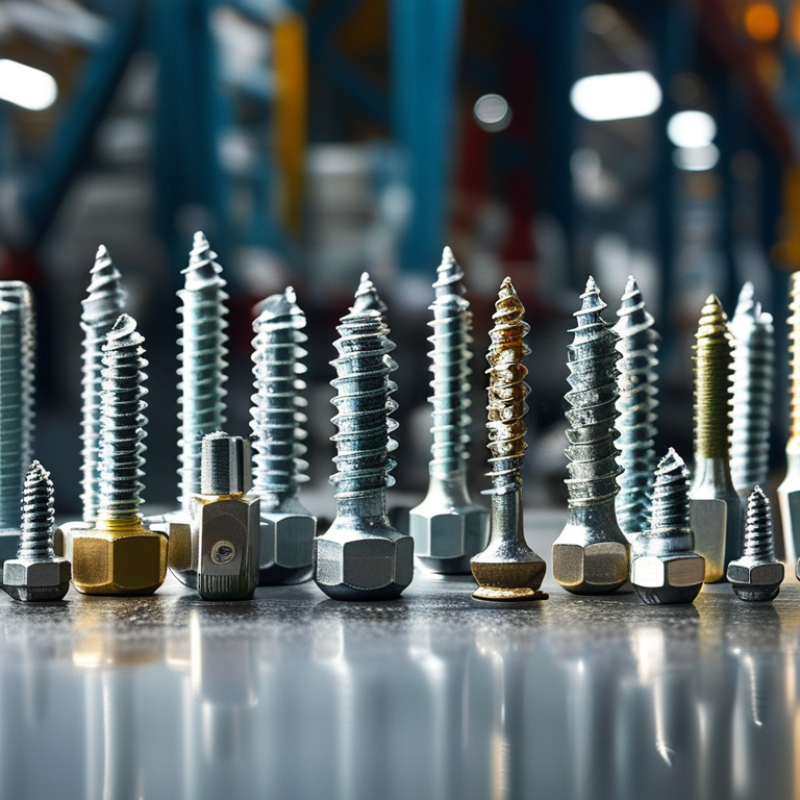
The Best Metal Screws for Your Global Sourcing Needs?

Understanding the Types of Metal Screws for Global Sourcing

When engaging in global sourcing of metal screws, understanding their types is crucial. Various screws exist for different applications. Common types include wood screws, machine screws, and self-tapping screws. Each type has unique characteristics that make it suitable for specific tasks. For instance, wood screws are designed with coarse threads to grip wood better.

Different materials affect screw performance. Stainless steel screws resist corrosion, making them ideal for outdoor use. Carbon steel screws are strong but may rust if untreated. Knowing the material helps in selecting the right screw for your application. However, sourcing high-quality screws can be tricky. Factors like supplier reliability and manufacturing standards must be considered.

It's also important to evaluate a supplier's reputation. Some suppliers may promise the best quality but fail to deliver. Testing sample screws can help mitigate risks. Understanding the specifics of each screw type along with thorough supplier evaluation enhances sourcing success. Each decision can significantly impact the longevity and strength of your final product.

The Best Metal Screws for Your Global Sourcing Needs

Screw Type Material Coating Size Range Common Applications
Wood Screws Steel Zinc-plated #6 to #12 Furniture assembly, construction
Machine Screws Stainless Steel None #4 to #10 Machinery, automotive
Self-Tapping Screws Carbon Steel Black oxide #8 to #14 Sheet metal applications
Deck Screws Stainless Steel Coated #8 to #12 Outdoor decks, patios

Factors to Consider When Sourcing Metal Screws Globally

When sourcing metal screws globally, quality is paramount. The material used for screws impacts strength and durability. Stainless steel and treated alloys are often preferred for their corrosion resistance. However, sourcing these materials can pose challenges. Different suppliers may have varying standards, which can affect performance.

Another crucial aspect is the supplier's manufacturing processes. Ensuring they adhere to international quality standards is vital. This includes certifications and regular inspections. Engage in conversations about their practices. Sometimes, what looks good on paper may not translate into reality. Be prepared to ask questions that probe deeper than surface-level assurances.

It's also essential to consider cost versus quality. While lower prices may be tempting, they often come at a price. Inconsistent quality can lead to production delays. Ultimately, the long-term reliability of your products should guide your sourcing decisions. Balancing cost and quality will require careful thought and analysis. Reflect on past experiences to avoid repeating mistakes. Select suppliers that genuinely understand your needs and can meet them effectively.

Top Manufacturers and Suppliers of Metal Screws Worldwide

When looking for metal screws, sourcing from reliable manufacturers is crucial. There are various types available, including stainless steel, carbon steel, and brass screws. Each type has unique properties. Stainless steel screws resist rust, while carbon steel screws offer strength. Brass screws add an aesthetic touch.

Many global suppliers specialize in these products. It's essential to assess their credibility and manufacturing standards. Gaining insights from user reviews or certifications can be helpful. Some manufacturers may offer customization, which is advantageous for specific applications.

However, not all manufacturers meet high standards. Some might compromise quality for cost savings. It’s wise to verify their production processes and material sourcing. Communication is vital. Ask about their testing procedures to ensure product reliability. Being thorough can prevent future issues with performance or safety.

The Best Metal Screws for Your Global Sourcing Needs

Quality Standards and Certifications for Metal Screws

When sourcing metal screws, quality standards and certifications play a crucial role. These standards ensure reliability and performance in various applications. Comprehensive certifications often indicate adherence to international norms. The ISO 9001 certification is one such standard that reflects a company's commitment to quality management systems. It provides a foundation for consistent product quality.

It's essential to consider specific applications when choosing screws. For instance, aerospace standards, such as AS9100, set higher expectations for durability and safety. These rigorous requirements help prevent failures. However, not all suppliers may consistently meet these standards, which could lead to potential issues down the line. Therefore, it’s advisable to conduct thorough audits and request documentation before finalizing any partnerships.

While quality assurance is vital, the complexity of certification processes can be overwhelming. Many companies still struggle to navigate these standards effectively. This can lead to inconsistent products or unexpected failures when the screws don't perform as required. Investing time in understanding these certifications is necessary, even if it may seem tedious. A cautious approach will ultimately pay off, ensuring that the screws meet your sourcing needs and maintain the desired quality.

Cost-Effective Strategies for Importing Metal Screws

When sourcing metal screws globally, cost-effectiveness is a key factor. Importing these fasteners can initially appear daunting. However, careful planning and strategic sourcing can lead to significant savings. Start by researching potential suppliers who have a track record of reliability. Assess their quality certifications, as this can help ensure you are receiving superior products.

Consider using bulk purchasing strategies. Ordering larger quantities can reduce the per-unit cost, making your overall investment more efficient. Explore locating suppliers in regions with lower production costs. This often translates to lower shipping expenses and potentially faster delivery times.

It’s essential to remain adaptable throughout the process. As markets fluctuate, prices can vary. Keeping an open line of communication with suppliers can provide insights into pricing shifts. Regularly evaluate your sourcing strategy to ensure it aligns with your cost and quality expectations. This ongoing assessment can identify opportunities for improvement in your importing approach.

FAQS

: What types of metal screws are commonly used in global sourcing?

: Common types include wood screws, machine screws, and self-tapping screws. Each has unique features for specific tasks.

How does the material of a screw affect its performance?

Stainless steel screws resist corrosion, ideal for outdoor use. Carbon steel screws are strong but can rust if untreated.

Why is supplier evaluation important when sourcing screws?

A supplier’s reputation matters. Some may promise quality but fail to deliver. Testing samples can help manage risks.

What should I consider regarding quality when sourcing screws?

Quality is crucial. Look for materials like stainless steel. Variability in supplier standards can affect performance.

How can I ensure a supplier meets quality standards?

Check for international certifications and engage in conversations about their manufacturing processes. Don’t just rely on documentation.

Is it advisable to choose screws based on low cost?

Lower prices may lead to inconsistent quality. Always think about the long-term reliability of your products before deciding.

What are common quality certifications for metal screws?

ISO 9001 is significant for quality management. Aerospace standards, like AS9100, set high expectations for safety and durability.

What challenges do companies face with certification processes?

Certification can be complex. Many struggle to navigate standards, risking inconsistent products or failures in screw performance.

How should past experiences influence sourcing decisions?

Reflecting on previous mistakes can help avoid repeating them. Select suppliers that genuinely align with your needs.

What impact can sourcing decisions have on my final product?

Each decision significantly affects product longevity and strength. Thoughtful consideration is vital for success.

Conclusion

When considering global sourcing for metal screws, it is crucial to understand the various types available in the market. Different applications require specific types of metal screws, ranging from self-tapping to machine screws, each designed for unique purposes and materials. Moreover, several factors impact the sourcing process, including supplier reliability, lead times, and shipping costs.

Identifying top manufacturers and suppliers worldwide is essential for ensuring quality and efficiency in procurement. It's important to adhere to quality standards and certifications to guarantee the durability and strength of metal screws, which can significantly affect the overall performance of any assembly. Lastly, implementing cost-effective strategies for importing metal screws can help organizations optimize their supply chains and mitigate expenses, ultimately leading to improved project outcomes.


Sophia

Sophia

Sophia is a dedicated marketing professional with an exceptional depth of knowledge about her company's products and services. With a keen understanding of market trends and customer needs, she crafts insightful blog posts that not only inform but also engage readers, enriching the company’s online......