When sourcing hardware components, the Metal Insert Nut stands out as a critical element in various applications. This essential fastener plays a key role in ensuring stability and strength in assemblies across multiple industries. Understanding the nuances of selecting the right metal insert nut can significantly impact the quality and durability of products.
Global sourcing presents unique challenges and opportunities. Buyers must navigate factors such as material quality, supplier reliability, and market trends. A deep dive into the characteristics of metal insert nuts reveals a range of choices in terms of size, threading, and material composition. These factors can affect performance, and it’s important to weigh them carefully.
The quest for an optimal metal insert nut requires expertise and attention to detail. It is vital to consider the specific application needs and environmental conditions. Not all suppliers maintain stringent quality control, leading to potential pitfalls. As you explore this guide, reflect on your own sourcing strategies. Are there aspects that could be improved? Emphasizing quality and reliability will lead to better outcomes in your projects.
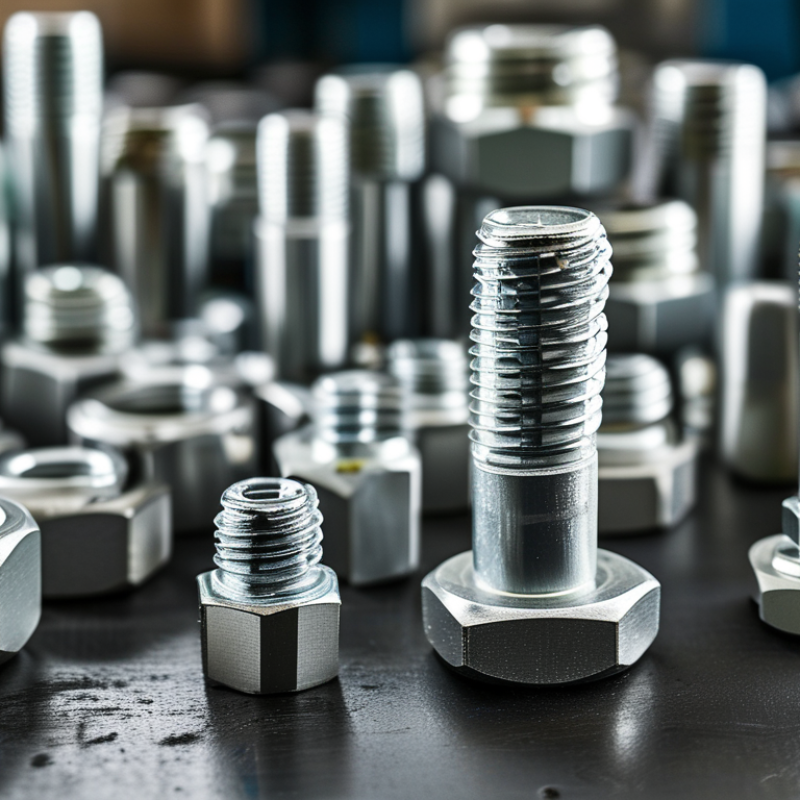
Metal insert nuts are essential components in various industries. They provide a strong and reliable threaded insert for materials that may not have sufficient strength on their own. This fastening solution is widely used in plastics and wood. Applications in automotive and aerospace industries are notable.
There are different types of metal insert nuts. Some are designed for use in blind holes, while others can be used in through holes. Each type has specific installations, such as heat insertion or mechanical locking. Understanding the right choice for your project can be complicated. Not all nuts fit all needs.
Designing with metal insert nuts requires careful consideration. The material and load-bearing requirements of your application are critical. The wrong choice can lead to failure, causing safety hazards. Experimentation may lead to better results. Trial and error can refine your choices.
Metal insert nuts are essential in various applications, providing strong and reliable fastening solutions. Understanding the materials used in these nuts is crucial. Commonly used materials include brass, steel, and aluminum. Each material brings unique properties, influencing performance and longevity.
Brass offers excellent corrosion resistance and conductivity. It's often used in electronic applications. Steel, known for its strength, is popular in heavy-duty applications. Aluminum is lightweight, making it ideal for portable products. Industry reports show that steel insert nuts are favored in automotive manufacturing, representing over 50% of the market share.
When sourcing metal insert nuts, consider the environment they will be used in. If moisture is present, opt for corrosion-resistant materials. If weight is a concern, aluminum may be the better choice. Remember, not all manufacturers provide the same quality. Research and verify certifications.
Tips: Always request samples before bulk purchasing. This allows for testing in real-world conditions. Establish a relationship with reliable suppliers. A long-term partnership can lead to better quality and pricing.
Metal insert nuts are valuable components in various industries. They enhance fastening integrity in materials like plastic and wood. The global demand for these products is on the rise. Key suppliers play an essential role in this market, influencing trends and pricing.
When selecting a metal insert nut supplier, consider product quality first. Analyze their manufacturing process. Understanding their quality control measures can save time and resources. Make sure to check their certifications and compliance with international standards. Reliable suppliers often have transparent production practices.
Tips: Don't overlook customer reviews. Previous buyers can share useful insights. Evaluate factors like delivery times and customer service. This can help in assessing a supplier's credibility. Engaging in communication can clarify any doubts before making a commitment. Always seek out suppliers with a proven track record, as this often indicates reliability and performance. Exploring various suppliers can lead to better pricing and quality options. Don't settle for the first choice; a little research can yield rewarding results.
When sourcing metal insert nuts globally, understanding quality standards is essential. Various certifications ensure the reliability and performance of these products. Notably, ISO 9001 certification is critical. This standard guarantees that a manufacturer maintains quality management systems. According to recent industry reports, over 70% of manufacturers now comply with this standard. This statistic highlights the importance of quality assurance in reducing defects.
Another critical certification is the ASTM standard for metal components. It details specific material properties and testing procedures. Research indicates that parts failing to meet these standards can increase failure rates significantly. Some studies show this can lead to operational costs rising by 25% due to rework and replacements.
With multiple certification types, navigating this landscape can be challenging. Different countries have varying requirements. This inconsistency can confuse buyers. Companies also struggle with assessing compliance. Many rely on third-party audits to ensure standards are met. However, not all audits are created equal. Some may lack thoroughness, raising questions about their credibility. The need for consistent evaluation processes remains an area for improvement.
When sourcing metal insert nuts, consider cost and performance factors closely. These components play a crucial role in fastening systems. Their quality affects the overall reliability of the product.
Selecting the right materials is key. For instance, some manufacturers may favor lower-cost raw materials. However, this can lead to durability issues. Always evaluate the long-term performance against initial costs. Sometimes, higher upfront expenses lead to significant savings over time due to reduced failure rates.
Additionally, understanding the manufacturing process is vital. Different production methods impact the final product's quality. It's essential to ask potential suppliers about their quality control measures. Unclear answers may indicate problems in their processes. Transparency is a crucial indicator of reliability. Keep these aspects in mind to improve your sourcing strategy.
| Type | Material | Size (mm) | Cost ($) | Performance Rating (1-10) |
|---|---|---|---|---|
| Insert Nut | Steel | M5 | 0.10 | 8 |
| Self-Locking Nut | Aluminum | M6 | 0.15 | 9 |
| Hex Nut | Brass | M8 | 0.12 | 7 |
| Nylon Insert Nut | Stainless Steel | M10 | 0.20 | 8 |
| Swaged Nut | Carbon Steel | M12 | 0.25 | 9 |
: They provide strong threaded inserts for materials like plastics and wood in various industries.
Types include those for blind holes and through holes, with specific installation methods required.
Brass, steel, and aluminum are commonly used, each offering unique properties for different applications.
The wrong material can lead to failure and safety risks, making careful consideration essential.
Testing different options can help refine choices, leading to better results in real-world applications.
Check product quality, manufacturing processes, and certifications to ensure reliability and performance.
Samples allow for real-world testing, helping to verify the quality and suitability for your project.
Reviews provide insights into delivery times, service quality, and overall customer satisfaction.
Never compromise on quality; ensuring compliance and reliability is key for long-term use.
Exploring various suppliers leads to better pricing and quality options, enhancing overall project success.
The "2026 Best Metal Insert Nut Buying Guide for Global Sourcing" serves as a comprehensive resource for understanding the essential aspects of metal insert nuts, including their types and industrial applications. This guide explores the key materials that are commonly used in metal insert nuts, highlighting their properties which contribute to performance and durability in various environments.
Additionally, the article provides a market analysis of global suppliers, discussing current trends affecting the sourcing of metal insert nuts. It emphasizes the importance of adhering to quality standards and certifications that ensure product reliability. Best practices for sourcing are also outlined, taking into consideration crucial factors related to cost and performance that can impact purchasing decisions in a competitive marketplace. This guide is invaluable for industries reliant on metal insert nuts, aiding in effective sourcing strategies.

Jifeilong