2026 Top Metal Bearing Housing Types for Global Buyers?

Time:2026-09-30 Author:Sophia
0%

Metal Bearing Housing selection is rarely a catalog-only decision. It affects alignment, lubrication access, vibration control, and maintenance time. Grand View Research estimated the global bearings market at USD 129.6 billion in 2023, with an 8.1% projected compound annual growth rate from 2024 to 2030. That report covers bearings broadly, not housing units alone, but it signals the scale of equipment relying on dependable bearing systems. A housing is only one part of that system. Still, a poor fit can shorten service life.

This 2026 guide compares common options, including pillow block, flange, take-up, split, and cartridge housings. It considers material choices such as cast iron, steel, and stainless steel, alongside load direction, shaft size, operating temperature, and exposure to dust or moisture. Small details matter. A split housing may ease inspection where access is tight, while a flange design can suit mounting against a machine frame. These are starting points, not universal rules. Actual selection should be checked against manufacturer load ratings, bearing compatibility, installation conditions, and maintenance requirements. Buyers should also confirm dimensions and documentation before ordering. That step can feel tedious. It is often worth it.
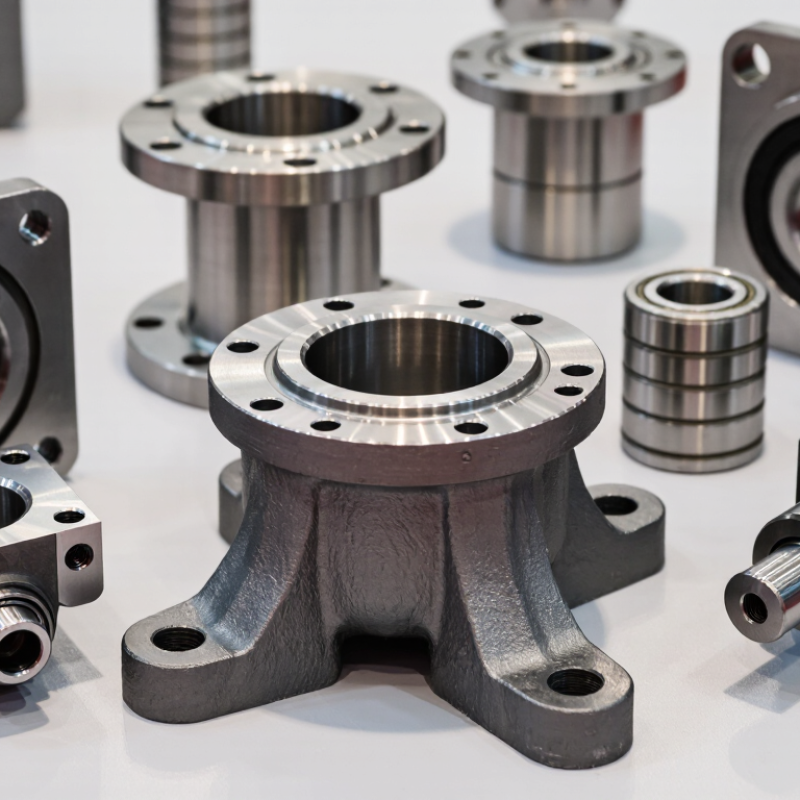
2026 Top Metal Bearing Housing Types for Global Buyers?

What Is a Metal Bearing Housing?

2026 Top Metal Bearing Housing Types for Global Buyers

A metal bearing housing is the rigid outer structure that supports a bearing, shaft, and rotating assembly. It keeps the bearing positioned under radial or axial loads. It also helps block dust, moisture, and lubricant leakage.

Common types include plummer blocks, flanged housings, take-up housings, cartridge housings, and split housings.

Cast iron suits general industrial equipment because it offers stiffness and cost control. Stainless steel is preferable in wet, corrosive, or washdown areas. Pressed steel works well where lower weight and moderate loads matter.

Housing selection should match shaft diameter, bearing clearance, mounting space, sealing method, and operating temperature.

The tricky part is alignment.

A 2024 market assessment by Grand View Research estimated the global bearing market at more than USD 130 billion in 2023, with continued growth expected through 2030. This scale reflects broad demand, but market estimates vary by product definition.

ISO 281 provides bearing fatigue-life methods, while ISO 76 addresses static load ratings. These standards do not replace site testing.

In real maintenance work, a housing can fail early from soft mounting surfaces, uneven bolt torque, or poor shaft alignment. That detail is often missed.

Tips: Check the housing bore and shaft fit before installation. Use a calibrated torque tool. Inspect seals after the first operating cycle. Stainless steel is not automatically corrosion-proof in every chemical environment. Temperature, vibration, and cleaning agents still need review.

Key Types of Metal Bearing Housings for 2026

Metal bearing housings come in several forms, and the right choice depends on load, alignment, and installation space. Plummer block housings support a horizontal shaft and are common in conveyors, fans, and processing equipment. Their split construction can make inspection and bearing replacement easier. Check the base stiffness carefully; a thin mounting plate may flex under repeated loads.

Flanged housings attach to a machine wall or frame, often where floor space is limited. Two-bolt and four-bolt patterns suit different loads and mounting surfaces. Take-up housings allow shaft position adjustment, which helps maintain belt tension. They are useful in conveying systems, but adjustment travel must match the actual installation. Small detail, big consequence.

For harsher environments, buyers may consider housings made from cast iron, steel, or stainless steel. Cast iron offers rigidity and vibration damping in many general-duty applications. Steel can suit higher impact or fabrication needs, while stainless steel may be selected where moisture or frequent washdown is expected. Material alone does not guarantee durability. Seals, lubrication access, shaft fit, and corrosion exposure all matter. In 2026, compare drawings and operating conditions before selecting a type; catalog dimensions rarely tell the whole story. I have seen a sound housing choice undermined by poor alignment, so leave room for installation checks.

2026 Top Metal Bearing Housing Types for Global Buyers: Key Types of Metal Bearing Housings

Housing Type Common Metal Construction Typical Bearing Arrangement Mounting or Adjustment Common Applications Key Selection Considerations
Plummer Block (Pillow Block) Cast iron, ductile iron, or cast steel Usually accommodates a self-aligning bearing; available in split or one-piece designs Mounted on a flat base, commonly with two or four bolt holes Conveyors, fans, agricultural equipment, and general industrial shafts Check shaft diameter, load, alignment tolerance, lubrication method, and sealing needs. “Pillow block” and “plummer block” usage varies by region.
Split Plummer Block Typically cast iron or ductile iron; some heavy-duty designs use steel Split housing commonly supports spherical roller bearings or other specified bearing inserts Two-piece cap and base allow access to the bearing without removing adjacent components Paper mills, mining equipment, bulk handling, and large industrial drives Useful where maintenance access matters. Confirm bearing compatibility, housing size, shaft fit, sealing, and lubricant requirements.
Flange Housing Cast iron, ductile iron, cast steel, or pressed steel, depending on design Often supplied for insert bearings or self-aligning bearing units Bolts to a vertical or side-facing machine surface; common patterns include two- and four-bolt layouts Equipment frames, agricultural machinery, conveyors, and compact drives Match the bolt pattern and mounting surface, and verify shaft size, load direction, available clearance, and alignment requirements.
Take-Up Housing Commonly cast iron or fabricated steel Usually designed around a bearing unit that can move along a guide Slides in a frame or rail to adjust shaft position and maintain belt or chain tension Belt conveyors, chain drives, and processing lines Check adjustment travel, guide dimensions, load capacity, and the means of locking the housing after adjustment.
Cartridge Housing Cast iron, ductile iron, or steel, depending on load and application Holds a bearing as a replaceable cartridge or insert assembly Installed in a machine bore or support structure; mounting details vary by design Fans, pumps, machinery supports, and applications requiring serviceable bearing assemblies Confirm the cartridge dimensions, retention method, shaft interface, sealing arrangement, and access for replacement.
Pressed-Steel Housing Formed sheet steel Commonly used with insert-style bearing units in lighter-duty assemblies Typically secured through stamped mounting holes or a formed support Light conveyors, agricultural equipment, and general-purpose machinery Consider load, stiffness, corrosion protection, and mounting-surface strength; it is not a like-for-like substitute for every cast housing.
Stainless-Steel Housing Stainless steel, often cast or fabricated according to the design May be configured for insert bearings or specified bearing assemblies Available in base, flange, and other mounting forms Food-processing areas, washdown zones, and corrosive or humid environments Specify the stainless-steel grade and evaluate cleaning chemicals, corrosion exposure, seals, lubricant, and applicable hygiene requirements.
Heavy-Duty Steel Housing Cast steel or fabricated steel Designed for specified heavy-load bearing arrangements Bolted or integrated into a robust machine support Mining, steel production, large conveyors, and high-load industrial machinery Review static and dynamic loads, shock loading, shaft alignment, mounting rigidity, fatigue considerations, and maintenance access.

Buyer note: Housing type alone does not determine load capacity or suitability. Verify dimensions, bearing compatibility, shaft fit, operating speed, load direction, lubrication, sealing, temperature, and environmental conditions against the application requirements.

Materials and Manufacturing Methods Explained

For 2026, global buyers are comparing bearing housings by material, load capacity, and manufacturing consistency. Common types include split plummer blocks, flanged housings, take-up housings, and compact cartridge designs. Cast iron remains practical for general industrial equipment because it offers stiffness, vibration damping, and reasonable cost. Ductile iron performs better under shock loads. Carbon steel or stainless steel suits demanding environments, including washdown areas and elevated temperatures. Aluminum is lighter, but it may deform more easily under heavy loading.

Manufacturing methods strongly influence service life. Sand casting supports flexible shapes and larger housings, although surface finishing may require closer inspection. Precision machining improves bore alignment and sealing surfaces. Forged steel provides strong grain structure, but it usually costs more and needs careful heat treatment. Some manufacturers combine casting with computer-controlled machining for repeatable tolerances. Small details matter. A rough seal seat, uneven bolt face, or weak coating can cause early failure. Field inspection often finds installation errors, not material defects. That distinction is easy to miss.

Tips: Match the housing material with load, moisture, temperature, and maintenance access. Check bore tolerance, shaft fit, grease passages, and drain design. Ask for dimensional reports and material certificates when procurement risk is high. Do not select stainless steel automatically; its corrosion resistance may not justify the added cost. A cheaper housing can become expensive after repeated alignment problems. Allow a small safety margin, but avoid oversized parts that complicate installation.

How to Select the Right Housing for Global Applications

2026 Top Metal Bearing Housing Types for Global Buyers

How to Select the Right Housing for Global Applications

Global selection should begin with load, speed, contamination, and installation method—not catalog shape. Cast iron housings suit rigid industrial frames and high radial loads. Pressed steel is lighter and often economical for moderate loads. Stainless steel or coated metal performs better near washdown, salt, and chemical exposure. Corrosion changes everything.

A 2024 Grand View Research report valued the global bearing market at USD 132.1 billion in 2023 and forecast an 8.5% CAGR through 2030. This growth increases sourcing pressure, but it does not justify over-specification. Match bore size, static load rating, shaft tolerance, sealing, and relubrication access to the duty cycle. For humid coastal sites, check ISO 12944 corrosion categories and request coating test documentation. Do not guess.

For global projects, verify metric or inch compatibility, mounting-hole dimensions, replacement availability, and material certificates. A 2023 MarketsandMarkets analysis identifies predictive maintenance and industrial automation as major market drivers. Housing stiffness and sensor access therefore deserve attention. Yet sensors cannot repair poor alignment. Request dimensional drawings, temperature limits, and test results before approval. One overlooked detail is the grease outlet position. It can turn routine maintenance into a shutdown. The strongest housing is not always the right one; service habits and local availability may matter more.

International Standards, Quality Checks, and Buyer Considerations

2026 Top Metal Bearing Housing Types for Global Buyers?

Metal bearing housings commonly include pillow blocks, flanged units, and take-up designs. The right choice depends on shaft direction, mounting space, load, and maintenance access. International buyers should check drawings against applicable standards, not assume one standard covers every housing. ISO 15 addresses rolling-bearing boundary dimensions; housing interfaces may follow separate specifications.

Quality checks should match the operating conditions. Review material certificates and verify bore, mounting-hole spacing, and seating surfaces with calibrated tools. Inspect castings for visible cracks, porosity, and uneven machining. Confirm coating thickness and corrosion protection if the unit will face moisture or washdown. Keep inspection records. They make comparisons easier.

Tips: Send suppliers a clear drawing, load details, shaft size, and operating temperature. Ask how critical dimensions are measured and what tolerances they can document. A low-cost sample may look sound, yet fit poorly after installation. I have seen buyers focus on material grade while overlooking bolt access; that is an easy mistake to repeat. Check spare-part availability and packaging before approving a shipment.

2026 Top Metal Bearing Housing Types for Global Buyers

Typical material density provides a useful first comparison when evaluating housing weight. Values are approximate; actual density varies by alloy and grade.

Buyer note: Density alone does not determine housing performance. Check the specified material grade, load requirements, operating environment, dimensions, fit, and applicable product or project standards with the supplier.

FAQS

What is a metal bearing housing?

It is a rigid outer structure supporting a bearing, shaft, and rotating assembly. It helps control movement and loads.

What common housing types are available?

Common designs include pillow blocks, flanged units, take-up housings, cartridge housings, and split housings. Each suits different mounting conditions.

Which housing material should buyers choose?

Cast iron suits general industrial equipment and offers strong stiffness. Stainless steel fits wet or corrosive areas. Pressed steel reduces weight.

How should I match a housing to my equipment?

Check shaft diameter, bearing clearance, mounting space, load direction, sealing method, and operating temperature. Do not rely on appearance alone.

Why is alignment so important?

Poor alignment creates uneven loads, vibration, and early wear. Soft mounting surfaces and uneven bolt torque can worsen the problem.

What should be checked before installation?

Measure the housing bore and shaft fit. Check seating surfaces and mounting holes. Use a calibrated torque tool.

How can buyers inspect housing quality?

Review material certificates and measured tolerances. Inspect castings for cracks, porosity, and uneven machining. Check coating thickness when moisture is expected.

Are stainless steel housings always corrosion-proof?

No. Cleaning agents, temperature, moisture, and chemicals still matter. Stainless steel is helpful, but it is not magic.

What information should buyers send to suppliers?

Provide a clear drawing, shaft size, loads, operating temperature, and installation space. Include maintenance access details.

What is often overlooked during purchasing?

Buyers may focus on material grade and ignore bolt access. Spare parts, packaging, and documented measurements also deserve attention. I might miss one detail. That is why a final checklist helps.

Conclusion

A Metal Bearing Housing is a protective and supportive component designed to hold a bearing securely, maintain shaft alignment, and help manage loads, vibration, dust, and moisture. In 2026, global buyers can choose from several housing types, including pillow block, flange, take-up, split, cartridge, and specialized tensioning designs. Each type serves different installation conditions, load requirements, maintenance needs, and space limitations.

Material and manufacturing choices strongly affect service life and cost. Cast iron offers strength and economy, while ductile iron, steel, stainless steel, and engineered alloys can provide improved toughness, corrosion resistance, or performance in demanding environments. Buyers should evaluate operating speed, temperature, contamination, lubrication, mounting accuracy, and replacement access before selecting a housing. They should also confirm dimensional compatibility, applicable international standards, traceability, surface quality, sealing performance, and inspection procedures. A careful comparison of technical specifications, quality documentation, packaging, delivery capability, and total ownership cost helps ensure reliable use across global applications.


Sophia

Sophia

Sophia is a dedicated marketing professional with an exceptional depth of knowledge about her company's products and services. With a keen understanding of market trends and customer needs, she crafts insightful blog posts that not only inform but also engage readers, enriching the company’s online......