In the rapidly advancing world of manufacturing, "Metal Precision Parts" play a crucial role. According to a recent report by MarketsandMarkets, the global market for precision metal components is expected to reach $120 billion by 2026. This growth is driven by the increasing demand in industries such as automotive, aerospace, and electronics. Precision parts must meet strict tolerances and specifications, crucial for the reliability of high-performance machinery.
Expert analysis suggests that advancements in technology, like 3D printing and CNC machining, impact the production of these components. While these innovations offer new opportunities, challenges remain. Manufacturers must navigate supply chain complexities and evolving customer expectations. Achieving precision without compromising cost-effectiveness is a significant concern.
Moreover, securing a competitive edge requires embracing sustainability. The push for environmentally friendly practices is reshaping the industry. Companies must reflect on their processes to reduce waste and use resources wisely. As we explore the best metal precision parts for global buyers in 2026, understanding these dynamics is essential for strategic decision-making.
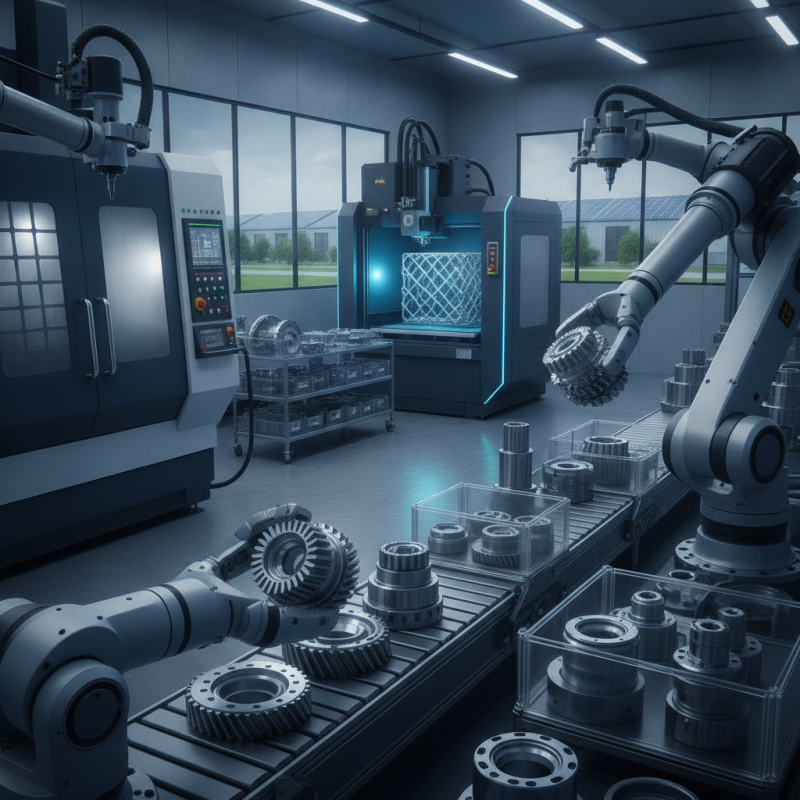
Metal precision parts are critical in various industries, providing essential components for machinery and equipment. These parts are typically made from high-quality materials like stainless steel, aluminum, and titanium. Their durability and ability to withstand extreme conditions make them ideal for automotive, aerospace, and medical applications.
The key characteristics of metal precision parts involve accuracy and functionality. Tolerance levels can be as tight as a few microns, ensuring seamless integration into larger systems. This level of precision can significantly impact overall machinery performance. However, achieving such precision often comes with challenges, such as material limitations and machining complexities. Each production method has its pros and cons, requiring careful consideration and expertise.
Applications for metal precision parts range widely. In the automotive sector, they enhance engine efficiency. In aerospace, they contribute to lighter and stronger structures. Medical devices often rely on precision parts for safety and efficacy. It’s essential to evaluate specific needs when selecting parts, as not all solutions fit every application. This emphasizes the importance of expertise in choosing the right materials and processes.
The global market for metal precision parts is evolving rapidly. Analysts predict significant shifts in demand due to technological advancements. Industries like aerospace and automotive are driving this change. These sectors require components that meet stringent specifications and tolerances. The need for high-quality metal parts is growing, and buyers are increasingly discerning.
Emerging technologies, like additive manufacturing, are reshaping production methods. However, challenges remain in ensuring consistent quality. Many companies struggle with this. The supply chain complexities also introduce risks that can disrupt production. Buyers must adapt and stay informed about these trends. They may need to reconsider their sourcing strategies to ensure reliability.
Sustainability is another critical focus area. Manufacturers are under pressure to produce eco-friendly components. This shift requires investment in new materials and processes. Not every provider is up to date with these expectations. As demand for transparency rises, buyers must evaluate their partners carefully. It's essential to ensure that these collaborations meet both quality and ethical standards.
When selecting high-quality metal precision parts suppliers, several key criteria should be considered. A recent industry report indicated that about 72% of buyers prioritize supplier experience. Suppliers with a strong track record often demonstrate reliability and the ability to meet strict quality standards. Engaging with suppliers who have been in the industry for over five years can yield better results.
Additionally, certifications play a crucial role. Many manufacturers seek ISO 9001 certified suppliers, as this designation indicates a commitment to quality management. Suppliers certified in specific areas, like AS9100 for aerospace, show specialized proficiency. However, relying solely on certifications can be misleading. Some suppliers may possess certifications but lack practical experience.
Lastly, considering customer reviews and case studies can provide valuable insights. Companies often overlook the importance of direct feedback. Gathering testimonials reveals how suppliers handle challenges. It's essential to assess how they address issues in production and delivery. The interaction with customers reflects their adaptability and commitment to service excellence, which is crucial for long-term partnerships.
The landscape of metal precision parts manufacturing is evolving rapidly. Emerging technologies are transforming how these parts are created. Advanced machinery and software are streamlining production processes. Automation is playing a significant role in enhancing efficiency. Robotics ensure consistent quality, reducing human error.
New materials are also making a difference. Innovative alloys and composites are being developed for durability and strength. These materials can withstand extreme conditions, catering to diverse industries. However, challenges remain. Not all manufacturers can adapt to these technological advancements. There is a significant learning curve, and investments are required.
Sustainability is becoming an essential factor too. Many companies are exploring eco-friendly processes. This shift is not straightforward; balancing cost and environmental impact is complex. As the industry progresses, continuous improvement and adaptation are crucial. The future of metal precision parts relies on innovation, with room for growth and collaboration among manufacturers.
The metal precision parts industry is evolving. Increasingly, manufacturers prioritize sustainability. They recognize the environmental impact of traditional practices. There is a push for green technologies and methods. Companies are exploring ways to reduce waste. Recycling materials is becoming standard. This helps minimize resource extraction and lowers carbon footprints.
However, challenges remain. Many firms struggle to balance efficiency and sustainability. The initial costs of eco-friendly machinery can be high. Some small manufacturers may find it hard to adapt. There remains a reliance on non-renewable resources in many areas. The transition towards sustainable practices is not uniform across the industry. While some are leaders, others lag behind.
Adopting sustainability requires ongoing effort. Stakeholders must be educated on its importance. Collaboration among industry players is essential. Sharing best practices can drive progress. Embracing sustainability in manufacturing is a journey. It demands commitment but offers rewards for all involved.
: They are essential components made from materials like stainless steel and aluminum, used in various industries.
They ensure precision and seamless integration into machinery, impacting overall performance significantly.
Material limitations and machining complexities often complicate the production of precise parts.
Manufacturers are moving towards eco-friendly methods, but initial costs and adaptation challenges remain.
Technological advancements are reshaping production methods, increasing demand for high-quality components.
Not all providers meet quality and sustainability standards, making careful evaluation essential.
Additive manufacturing can enhance production, but consistency in quality is still a challenge.
Companies focus on recycling and minimizing resource extraction to reduce their environmental impact.
They often face higher initial costs and may lack resources to implement eco-friendly practices.
Ongoing education, collaboration, and shared best practices among industry players are crucial.
The article "2026 Best Metal Precision Parts for Global Buyers Insights" provides a comprehensive overview of Metal Precision Parts, highlighting their key characteristics and diverse applications across various industries. It delves into current global market trends, offering an analytical perspective on the demand and supply dynamics shaping the sector.
Additionally, the article outlines essential criteria for selecting high-quality suppliers of Metal Precision Parts, emphasizing the importance of reliability and precision in manufacturing. Furthermore, it discusses recent technological advancements that are revolutionizing production processes, as well as sustainability practices being adopted within the industry to reduce environmental impact. This summary provides valuable insights for global buyers looking to navigate the evolving landscape of Metal Precision Parts.

Jifeilong